Introduction
The Atlantic Wreckfish, also known as Polyprion Americanus, is a fascinating species that inhabits deep waters of the Atlantic Ocean. With its unique biology and relevance to commercial fisheries, understanding the Atlantic Wreckfish is critical for marine conservation and sustainable fishing practices.
Habitat and Distribution
Atlantics wreckfish are predominantly found in deeper waters, often at depths ranging from 100 to 1,200 meters. Their distribution spans the eastern and western Atlantic, notably from the Mediterranean Sea to the waters off the southeastern United States. They typically inhabit submerged structures like shipwrecks and rocky outcrops, which offer ample shelter and abundant food sources.
Biology and Behaviour
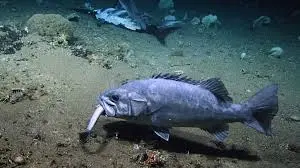
This species can grow impressively large, with some individuals exceeding 1.5 meters in length and weighing over 50 kilograms. They are known for their distinctive appearance, featuring a large head, thick body, and long, dorsal fins. Atlantic wreckfish are primarily carnivorous, feeding on a diet of low to mid-level species including squid, fish, and crustaceans. Unlike many other fish species, wreckfish display a level of social behaviour, often found in groups, which aids in their hunting strategies.
Fishing Practices and Conservation
The Atlantic wreckfish is highly valued by commercial fisheries, particularly in countries such as Portugal and Spain. Due to their slow growth rate and late maturity, concerns have arisen regarding overfishing and the sustainability of this species. Regulatory measures, including catch limits and seasonal closures, have been implemented to protect their populations. Recent studies indicate that fishery management strategies need to be continually assessed and adapted to ensure this incredible species does not face the risk of extinction.
Conclusion
The Atlantic wreckfish is not just another fish in the sea; it plays a vital role in the marine ecosystem and is a significant target for fisheries in various regions. As interest in deep-sea fishing continues to grow, it becomes increasingly important for stakeholders to engage in responsible fishing practices that promote the sustainability of the Atlantic wreckfish population. Continued research and monitoring, alongside effective conservation strategies, will be essential to protect this remarkable species for future generations. Emphasising the significance of the Atlantic wreckfish encourages broader public awareness about marine biodiversity and the importance of safeguarding our oceans.
