Introduction
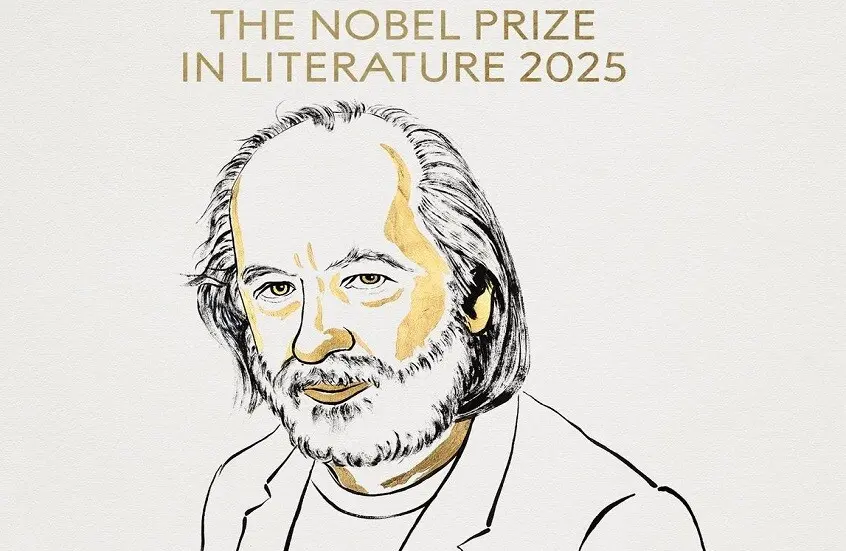
László Krasznahorkai, a celebrated Hungarian writer, has been at the forefront of literary discussions in recent months, particularly regarding his potential candidacy for the Nobel Prize in Literature. His unique narrative style and profound themes resonate with readers worldwide, making him a noteworthy figure in contemporary literature. As the 2023 Nobel Prize announcements loom, interest in Krasznahorkai’s work has surged, with many literary critics advocating for his recognition.
Background on László Krasznahorkai
Born on January 5, 1954, Krasznahorkai is renowned for his novels such as “Satantango,” “The Melancholy of Resistance,” and “Seibo There Below.” His writing is characterised by long, hypnotic sentences and philosophical explorations, often delving into humanity’s existential crises. Over the years, Krasznahorkai has received numerous accolades, including the 2015 Best Translated Book Award for “The Bell’s Song.” His collaboration with renowned director Béla Tarr on the screen adaptation of “Satantango” has further propelled his international fame.
Recent Developments
As the literary community is buzzing ahead of the Nobel Prize announcement schedule for early October, Krasznahorkai’s name has re-emerged as a frontrunner. The Swedish Academy, which awards the Nobel Prize, has acknowledged his unique contributions to literature, noting his exploration of the human condition and the intricacies of life. Critics and fans alike argue that Krasznahorkai’s distinctive voice and bold storytelling set him apart from contemporary authors, positioning him as a worthy candidate for this prestigious honour.
In a recent interview, Krasznahorkai expressed his views on the concept of awards, stating that while he appreciates the recognition, he is more focused on the impact of literature on society than on personal accolades. Nevertheless, the momentum behind his potential Nobel candidacy is palpable, with literary circles advocating for his work and increasing public interest.
Conclusion
As the announcement of the Nobel Prize in Literature draws near, all eyes are on László Krasznahorkai. Whether he ultimately receives the accolade or not, his contributions to literature have already established him as a significant figure in the literary world. Readers and critics alike will closely monitor the developments, as the Nobel Prize could not only validate Krasznahorkai’s extraordinary talent but also draw more attention to Hungarian literature on the global stage. The coming weeks are sure to bring an exciting culmination to this unfolding story.
