Introduction
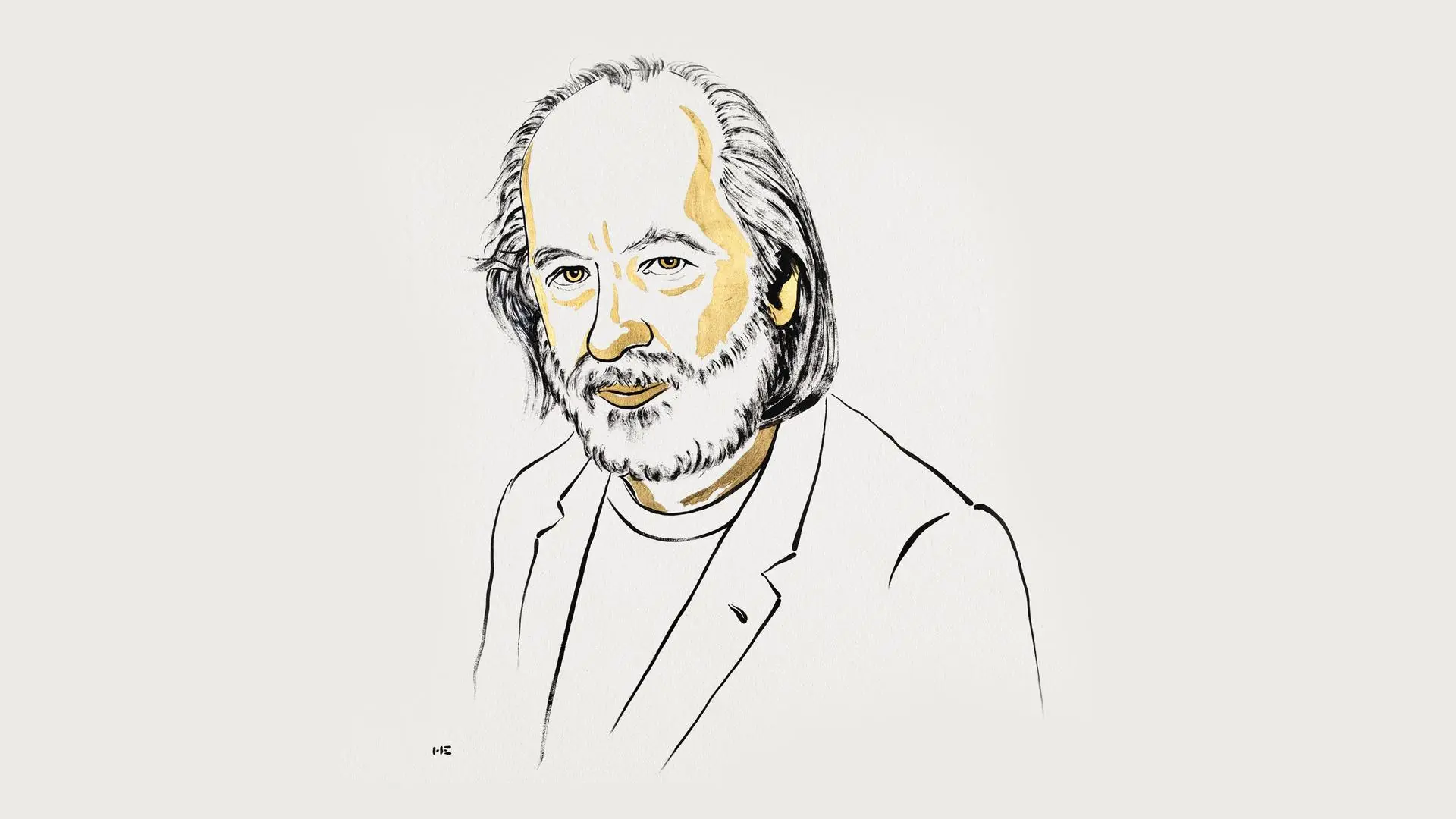
László Krasznahorkai is a renowned Hungarian author whose works have transcended cultural boundaries, examining the intricacies of human existence through a distinctive narrative style. His literary contributions are significant, with themes that resonate widely, blending philosophy and storytelling. Understanding Krasznahorkai’s work is essential for readers aspiring to explore contemporary literature that challenges and enlightens.
Main Body
Krasznahorkai, born in 1954 in Gyula, Hungary, is celebrated for his dense, rhythmic prose and complex narratives. He gained international recognition with his novel, “Satantango,” published in 1985, which delves into a decaying rural community in post-socialist Hungary. The book intricately weaves together themes of hope, despair, and the cyclical nature of life, offering profound insights into the human condition.
His works often explore existential questions, using a style reminiscent of stream-of-consciousness that immerses readers in the minds of his characters. Other notable works include “The Melancholy of Resistance” and “Seiobo There Below,” both of which further establish Krasznahorkai as a masterful storyteller. In “Seiobo There Below,” he merges Eastern and Western philosophies, contemplating art, beauty, and the human experience through a multitude of perspectives.
The acclaim for Krasznahorkai has grown globally, particularly with the translation of his works into various languages. His collaborations with acclaimed directors and artists, such as Béla Tarr, have also elevated his profile, allowing for a broader exploration of his thematic concerns in cinema. In 2015, Krasznahorkai was awarded the prestigious Man Booker International Prize, honouring his lifetime’s work in literature. This accolade not only solidified his status in the literary world but also highlighted the importance of translated literature in sharing diverse voices with a wider audience.
Conclusion
As readers delve into the writings of László Krasznahorkai, they encounter a unique literary voice that challenges conventional storytelling. His exploration of deep philosophical themes makes his work significant not only in Hungarian literature but in the global literary landscape. Looking forward, Krasznahorkai’s influence is likely to grow as more of his works are translated and published, inviting new generations to reflect on the profound questions inherent in the human experience. With the continuing rise of interest in global literature, Krasznahorkai’s narrative artistry is poised to resonate further, solidifying his place among the great contemporary authors of our time.
