Introduction
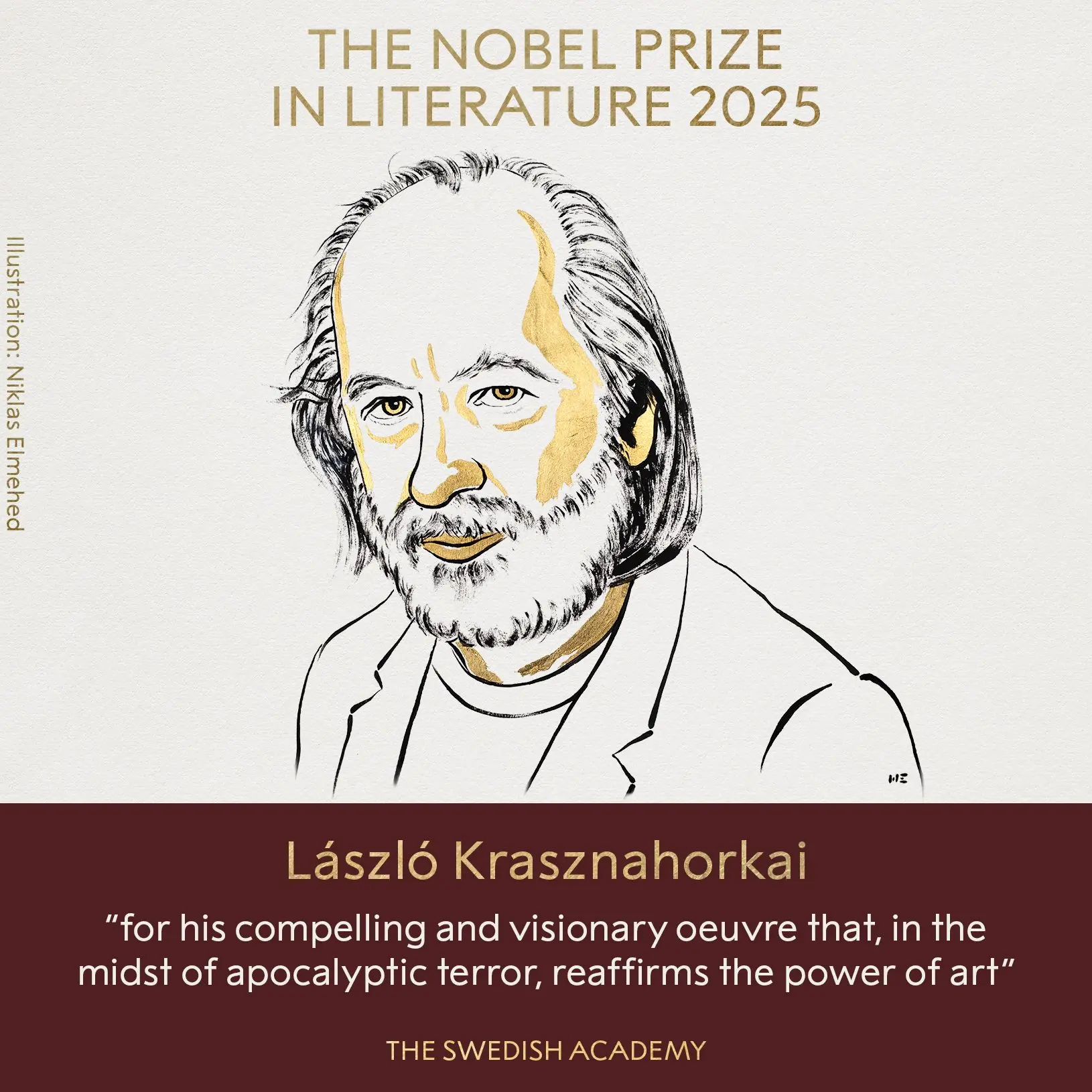
Laszlo Krasznahorkai, a prominent Hungarian novelist, has recently emerged as a topic of heated debate regarding his potential candidacy for the Nobel Prize in Literature. His unique narrative style and profound themes explore the complexities of modern existence, earning him both acclaim and a dedicated following. Discussions surrounding his eligibility highlight important questions about literary merit, cultural representation, and the criteria employed by the Nobel committee.
Krasznahorkai’s Literary Contributions
Krasznahorkai is best known for works such as ‘Satantango’ and ‘The Melancholy of Resistance’. His novels often delve into the human condition, weaving intricate tapestries of despair, hope, and existential inquiry. Critics laud his ability to encapsulate the turmoil of contemporary life while reflecting on universal themes. Furthermore, his association with renowned filmmaker Béla Tarr has also brought attention to his literary style, as many of his narratives have been adapted for the screen.
Reactions from the Literary Community
Recent discussions have intensified following Krasznahorkai’s nomination for the Nobel Prize, prompting reactions from both supporters and sceptics. Notable literary figures and scholars have expressed strong opinions on the matter. Some celebrate his deep exploration of humanity, arguing that his works deserve recognition at such a prestigious level. In contrast, others question whether his style resonates with a broader audience, hence raising concerns over the decision-making criteria of the Nobel committee.
Significance of the Nobel Prize
The Nobel Prize in Literature carries considerable weight, often shaping an author’s legacy and influencing the global literary landscape. Receiving this accolade not only provides financial support but also garners international recognition, elevating the authors’ works to critical acclaim. For Krasznahorkai, winning or even being nominated for the prize would significantly impact not only his career but also Hungarian literature as a whole, potentially encouraging a greater appreciation of diverse literary voices.
Conclusion
The conversation surrounding Laszlo Krasznahorkai’s position in the context of the Nobel Prize illustrates the broader nuances of literary appreciation, cultural representation, and the complex decision-making processes of prestigious awards. As debates continue, it remains to be seen how Krasznahorkai’s narrative will be received, both within the literary community and the global readership. Regardless of the outcome, this discussion highlights the importance of diverse voices in literature and the evolving nature of cultural accolades.
