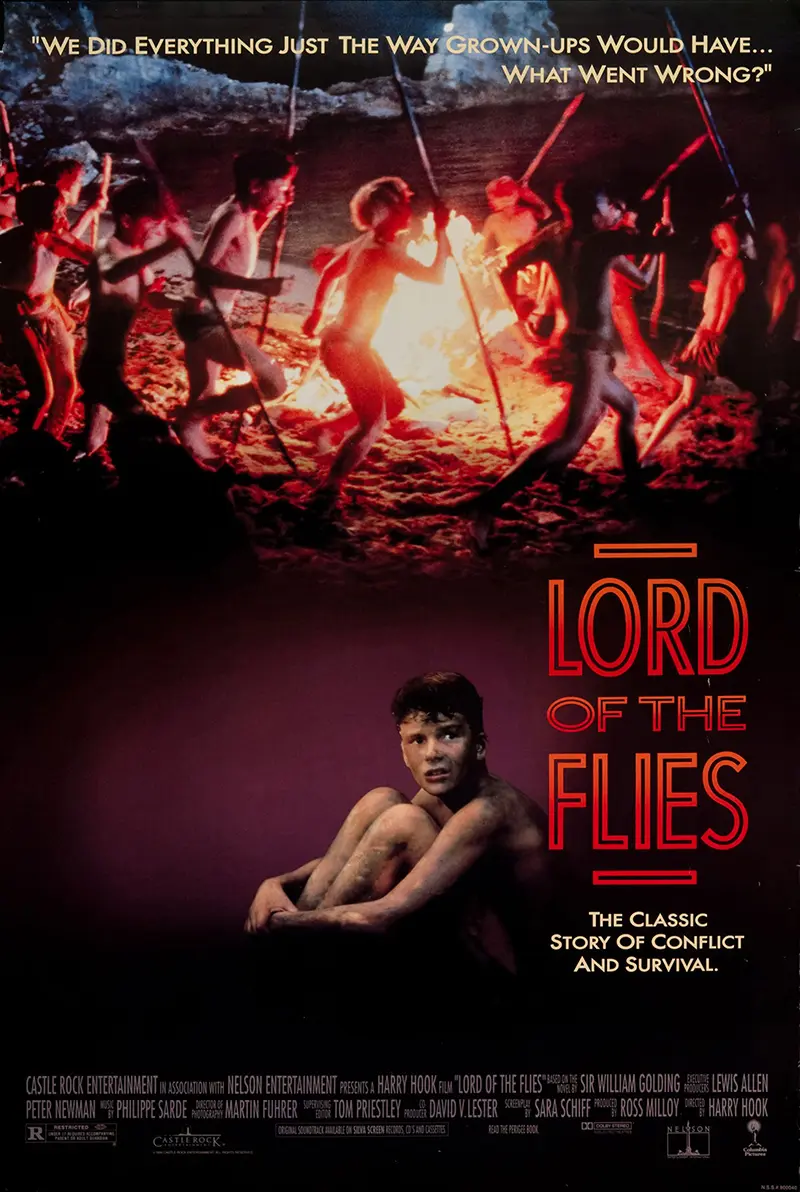
Introduction: The Relevance of ‘Lord of the Flies’
‘Lord of the Flies,’ written by William Golding in 1954, remains a pivotal piece of literature that explores the complexities of human nature. This novel presents a harrowing depiction of a group of boys stranded on an uninhabited island and their descent into savagery. With the world experiencing political turmoil, societal break-downs, and discussions surrounding humanity’s moral fabric, the themes presented in Golding’s work seem more relevant than ever.
Key Themes and Events
The story begins with a plane crash that leaves a group of young boys stranded on a deserted island, isolated from civilization. Initially, they attempt to establish order and create a society based on rules and cooperation, but as time passes, their inner impulses drive them towards chaos. The struggle for power, represented through characters like Ralph and Jack, highlights the conflicts between order and anarchy.
One of the central themes of ‘Lord of the Flies’ is the innate conflict between civilization and savagery. Golding demonstrates how quickly societal norms can disintegrate under the weight of fear, and how moral boundaries can be crossed in the name of survival. The infamous symbol of the “beast” serves as a representation of the primal instincts lurking within all humans, indicating that the true danger comes from within. This commentary on human nature poses important questions relevant to today’s society, from the violence stemming from discontent to the breakdown of communities around the globe.
Current Significance in Society
In recent years, the themes of ‘Lord of the Flies’ have resurfaced in discussions about youth behaviour, societal structures, and the importance of leadership. With the rise of youth movements advocating for climate action and social justice, parallels can be drawn between the boys’ struggle for power and the current dynamics of global movements. Can we rely on the morality and order established within our societies to prevent chaos, or are we doomed to repeat the cycles of history as depicted by Golding?
Conclusion: Lessons for Today
As ‘Lord of the Flies’ continues to be taught in schools and studied in academic contexts, it remains crucial that readers extract the lessons embedded within its pages. The book serves as a stark reminder of the potential darkness within humanity when stripped of societal constraints. Understanding the motivations behind the characters’ actions is integral to navigating the complexities of human relationships and governance today. Golding’s work challenges us to reflect on our own values and the structure of our society, urging a critical investigation into what truly lies beneath the surface of human civility.
