Introduction to the Incident
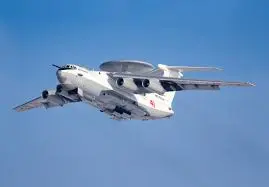
The aviation industry is once again under scrutiny following the recent crash of a Russian plane in the Tver region. This tragic incident has drawn attention to the state of aviation safety in Russia, a nation that has seen a series of accidents in recent years. Understanding the factors contributing to these crashes is crucial not only for regulatory bodies but also for the public’s trust in air travel.
Details of the Crash
On October 23, 2023, a Russian passenger aircraft operated by a regional airline crashed shortly after taking off from Moscow’s Sheremetyevo Airport. Initial reports indicated that there were 150 individuals on board, and tragically, a significant number of casualties have been confirmed. Emergency services swiftly responded to the scene, and rescue operations are still ongoing as investigators are working to determine the cause of the crash.
Eyewitness accounts suggest that the aircraft experienced difficulties shortly after takeoff, with smoke reported in the cockpit. As news unfolded, the Russian Ministry of Transport announced that an investigation into the circumstances of the crash would be carried out by the Interstate Aviation Committee (IAC), known for overseeing aviation safety across the region.
Impact on Aviation Safety Policies
This incident has reignited concerns regarding aviation safety in Russia. Over the past decade, several crashes involving commercial aircraft have highlighted persistent issues, including outdated fleets and regulatory challenges. The Russian government has previously pledged to improve air travel safety, yet critics argue that significant reforms are still needed.
Many aviation experts stress the importance of rigorous maintenance protocols and pilot training. Following similar accidents in the past, calls for updates to safety regulations have intensified, particularly for airlines operating in challenging environmental conditions often encountered within Russian airspace.
Conclusion and Future Outlook
The crash of the Russian plane serves as a bleak reminder of the ongoing challenges faced by the aviation sector in Russia. As investigation efforts continue, it is imperative for both national and international regulatory bodies to assess current safety standards and implement necessary reforms. The goal should be to prevent further tragedies and restore confidence in air travel, which is vital for both domestic and international passengers. Ensuring the safety of air travel is crucial, and the lessons learned from this incident will, hopefully, lead to more stringent regulations and better practices in the industry.
