Introduction
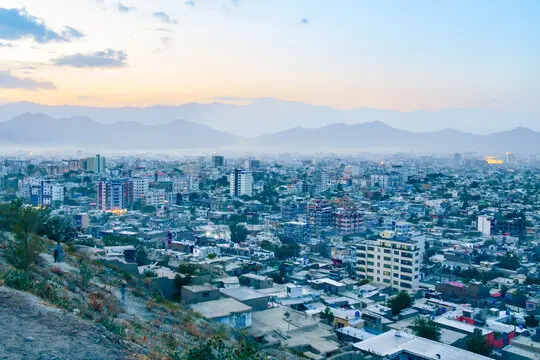
Kabul, the capital of Afghanistan, has been at the centre of global attention following the Taliban’s rapid takeover in August 2021. The significant geopolitical implications and the humanitarian crisis occurring in this region have made it crucial for the international community to monitor developments closely. As 2023 progresses, Kabul remains a focal point for discussions on security, governance, and human rights.
Recent Developments
Since the withdrawal of US and NATO troops, the Taliban has consolidated its power in Kabul, leading to a significant shift in governance and social policies. Reports indicate that the interim government is struggling to establish stability and legitimacy while facing resistance from various factions within Afghanistan. In recent weeks, international observers have noted an increase in public protests, particularly from women advocating for their rights and freedoms. Many women are challenging the restrictions placed on their education and employment opportunities.
Additionally, economic hardship has intensified; Afghanistan is experiencing one of the world’s most severe humanitarian crises. A staggering 20 million people are now estimated to be in need of urgent assistance, amid rising shortages of food, healthcare, and basic necessities. The ongoing international sanctions on Taliban leaders, combined with the freezing of Afghan assets abroad, have exacerbated the country’s economic troubles.
International Response
The global community has been apprehensive about engaging with the Taliban, but there have been some attempts to negotiate discussions. Humanitarian organisations continue to operate in Kabul to provide aid, yet they face profound challenges in delivering necessary support amid the turbulent landscape. Nations like Pakistan, Qatar, and Turkey have taken diplomatic steps to encourage dialogue, hoping to foster a more inclusive government that respects human rights.
Conclusion
Kabul is at a crossroads, embodying a complex tapestry of ongoing struggles and hopes for a more stable future. As the humanitarian crisis deepens and the socio-political landscape evolves, it is critical for policymakers and activists to push for constructive engagement strategies. The future of Kabul is not merely a national concern but a poignant reminder of global interdependence; the actions taken now will reverberate for years to come, impacting millions of lives within and beyond its borders.
