Introduction
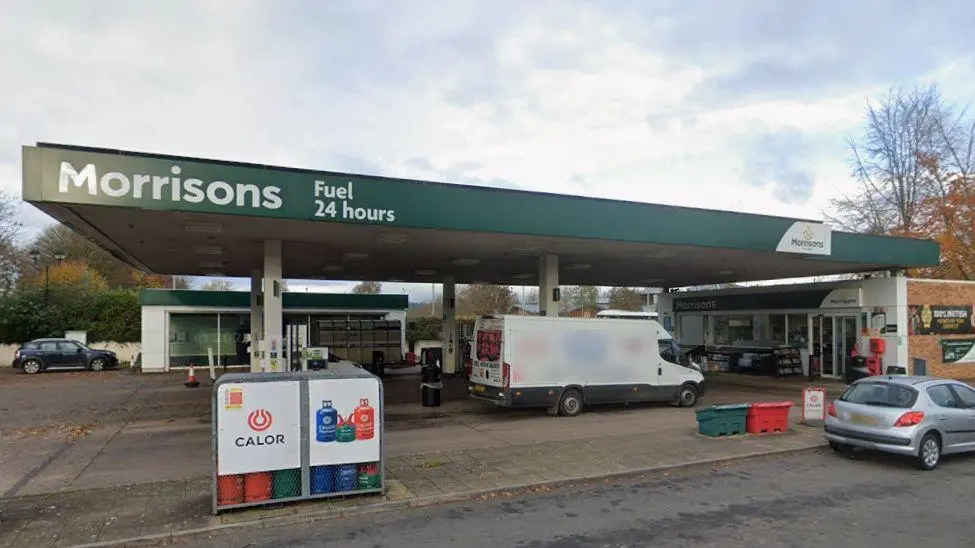
The recent error at a fuel station in Tiverton has sparked safety concerns and prompted an investigation by local authorities. As fuel stations play a crucial role in daily transportation and logistics, any issues surrounding their operation can have significant implications for the community. This incident not only raises questions about service reliability but also highlights the importance of regulatory oversight in maintaining safety and quality in fuel distribution.
Details of the Incident
On Friday, 20th October 2023, customers at the Tiverton fuel station encountered problems when filling up their vehicles, as some reported receiving incorrect fuel blends. Many drivers noticed a distinct difference in performance shortly after refuelling, with reports of engine malfunctions and increased smoke emission from exhausts. Initial assessments indicated that certain pumps might have delivered contaminated fuel, leading to concerns not just about driver safety but also about possible long-term damage to vehicles.
Response from Authorities
In response to the incident, the local council has launched a thorough investigation into the fuel station’s operations. Councillor Hannah Smith, representative of Tiverton, stated, “Our community relies on consistent and safe access to fuel. We take such issues seriously and are working with both local law enforcement and the fuel suppliers to ascertain the root of the problem.” Additionally, all affected customers have been encouraged to report any vehicle issues to their dealers.
Impact on the Community
The implications of this incident extend beyond vehicle damage. Some residents have expressed concerns about potential fuel shortages following the incident, warning that a lack of confidence in fuel offerings could lead to panic buying. Furthermore, local businesses that depend on vehicle transportation for their goods have also raised alarms about potential operation disruptions.
Moving Forward
As the investigation continues, many are calling for increased oversight of fuel stations to ensure consumer safety and reliability. Fuel service compliance checks, regular maintenance of pump equipment, and better training for station staff are among the measures suggested to prevent future errors. With the winter holiday season approaching, the urgency for a resolution has grown, as local businesses aim to return to normalcy without disruptions.
Conclusion
The Tiverton fuel station error serves as a vital reminder of the complexities and responsibilities involved in fuel distribution. As the community anxiously awaits findings from the ongoing investigation, the significance of regulatory adherence becomes increasingly evident. Ensuring the safety and quality of fuel services is paramount not only for customer satisfaction but also for maintaining confidence in local infrastructure. The outcome of this incident will likely influence future policies regarding fuel station management and oversight, as both consumers and authorities strive for enhancements in safety standards.
