Introduction
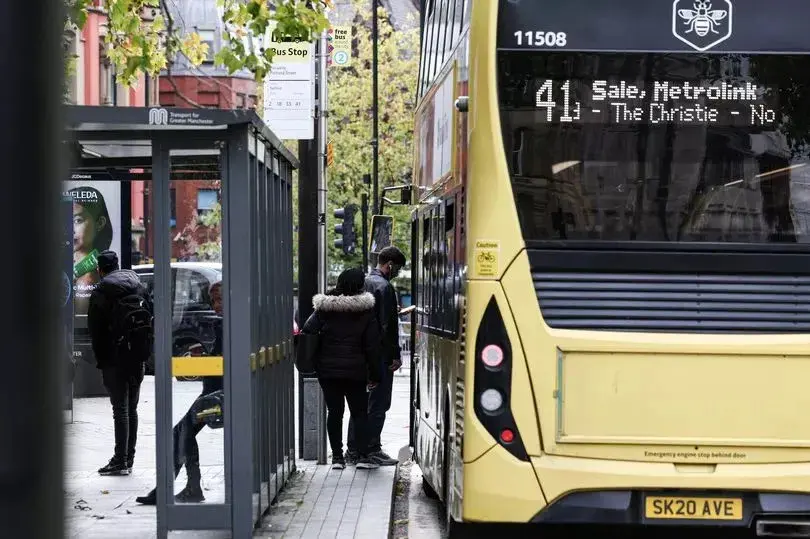
Bus strikes in Manchester have become a significant issue recently, drawing attention from commuters, city officials, and the broader community. As a crucial hub for public transportation, the disruption caused by these strikes affects daily lives, economic activities, and overall mobility in the city. With the cost of living crisis and demands for better working conditions, understanding the reasons behind these strikes is more relevant now than ever.
Context of the Strikes
The strikes, which commenced on October 10, 2023, are a response from Unite, one of the largest trade unions in the UK, representing bus drivers employed by Stagecoach Manchester. Around 1,200 bus drivers have participated in these strikes, significantly impacting local transportation services. The primary demands include improved pay amid rising living costs and better working conditions, reflecting a broader trend of industrial action across various sectors throughout the country.
Impact on Commuters
As the bus services in Manchester are essential for many residents, the strikes have led to widespread disruptions. Many commuters have reported difficulties reaching their workplaces, schools, and essential services, resulting in increased travel times and reliance on alternative means of transport. Local businesses have also expressed concern over the reduced foot traffic as fewer individuals can make it into town, harming the recovery of the local economy post-pandemic.
Official Responses
The Greater Manchester Combined Authority has been actively involved in discussions aimed at resolving the situation. Mayor Andy Burnham has stated the need for sustainable solutions to ensure that the city’s transport system operates effectively while addressing drivers’ concerns. Negotiations are ongoing, with both sides hopeful for an amicable resolution that will restore services to normal and address workers’ concerns.
Conclusion
The bus strikes in Manchester highlight the ongoing struggles within the public transport sector, driven by economic pressures and workforce demands. As negotiations continue, there is hope for a swift resolution that restores normal bus services and guarantees fair treatment for drivers. For commuters in Manchester, the return of reliable bus services will be crucial, not just for daily transport but also for the economic vitality of the region. Observers will be watching closely to see how this situation unfolds in the coming weeks and what impact it may have on future transport policies within the city and beyond.
