Introduction
In a digital era where online videos and content sharing platforms dominate, any disruption in services can have a significant impact. Recently, YouTube, one of the world’s largest video hosting platforms, experienced a significant downtime, affecting millions of users worldwide. This incident raised questions about the reliability of such platforms and the consequences for both viewers and content creators.
The Outage
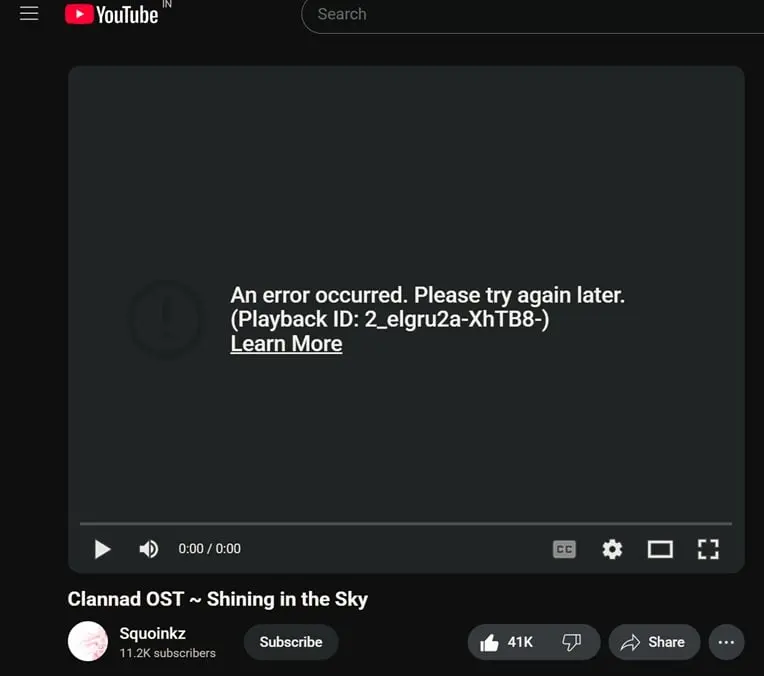
On the evening of October 12, 2023, users across multiple regions reported issues accessing YouTube. Many encountered error messages such as “503 Service Unavailable,” while others noticed white screens upon trying to load videos. Social media platforms quickly filled with user complaints, with some highlighting the frustration of being unable to access their favourite content or upload important videos.
The issues seemed to peak around 7 PM BST, according to monitoring sites that track website functionality. Within a couple of hours, reports indicated that the situation was stabilising, with YouTube informing users via Twitter that they were aware of the problems and were working on resolving them. The downtime appears to have lasted approximately two hours, causing a ripple effect across various user demographics, including content creators, educators, and casual viewers.
Impact on Users and Content Creators
The abrupt service outage emphasized the dependency of users on YouTube as a source of information and entertainment. Many content creators, reliant on the platform for their livelihoods, expressed concern over potential ad revenue losses, especially for those who upload videos regularly. Popular creators took to Twitter during the downtime to engage with their fan base and share updates, while others simply asked for patience.
Furthermore, the disruption became a topic of conversation among internet users, with memes and discussions about the ‘YouTube blackout’ trending on platforms like Twitter and Reddit, showcasing a blend of humour and frustration. Some educators who rely on YouTube for lessons shared their challenges as they scrambled to find alternative resources during the outage.
Conclusion
The recent YouTube downtime serves as a reminder of the platform’s critical role in the digital landscape, not only as a source of entertainment but as an essential tool for educational instruction and creative expression. While the incident was resolved relatively quickly, it raises important considerations about internet reliability and service continuity. Moving forward, users and creators may need to explore contingency plans for future disruptions, ensuring that they remain connected and accessible, regardless of technical issues. As digital platforms become increasingly integral to our daily lives, their outages—notably one as significant as YouTube’s—highlight the need for robust infrastructure to support a seamless user experience.
