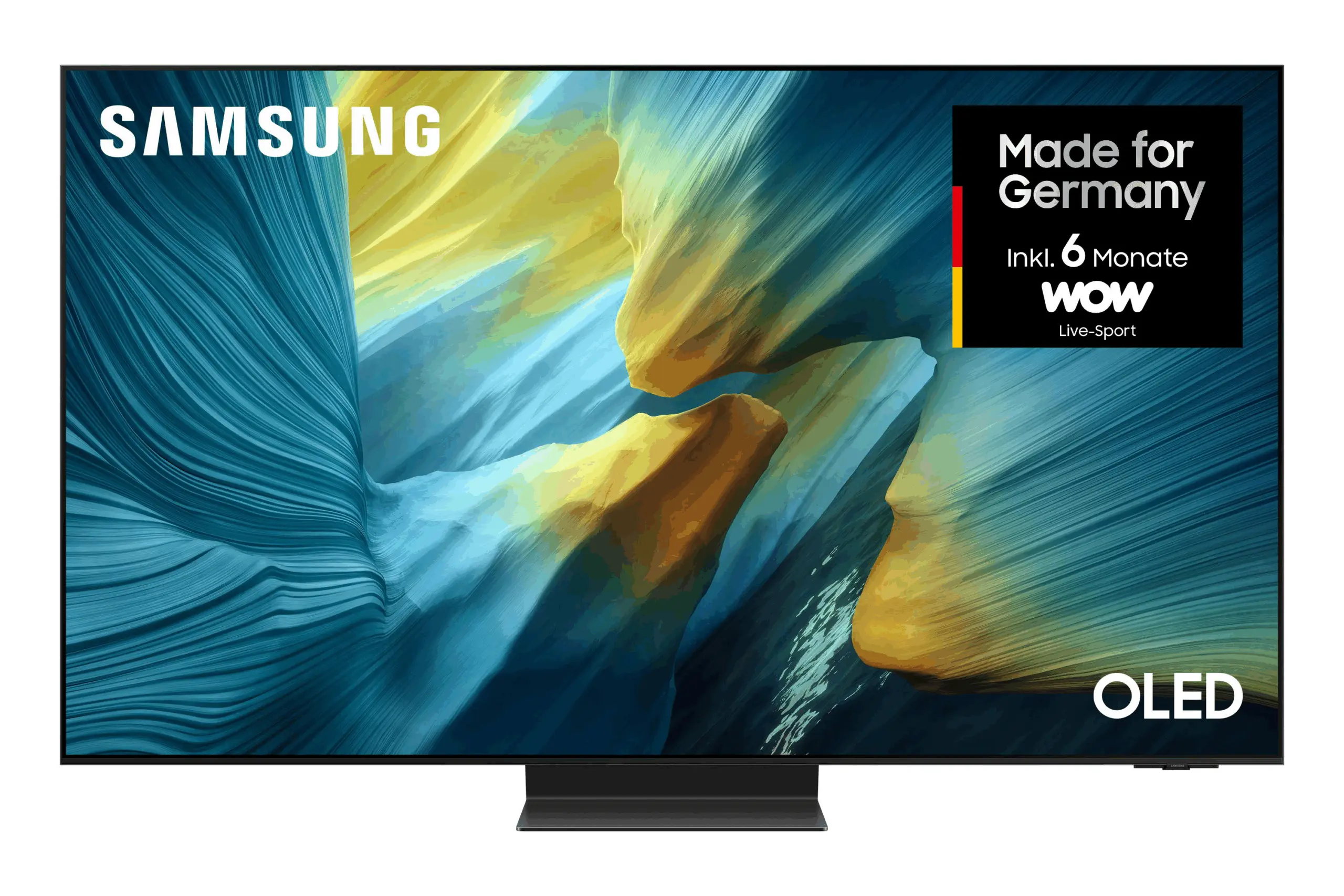
Introduction to Canlı TV
As technology continues to evolve, traditional television viewing habits are rapidly changing. Canlı TV, or live TV streaming, is becoming increasingly popular as viewers seek flexibility and access to real-time broadcasts, especially during significant events like sports and news. This trend has profound implications for the media landscape, pushing broadcasters to adapt their strategies to retain audiences in a crowded digital marketplace.
Growth of Live Streaming Services
In recent years, the demand for live television has surged, partly influenced by notable global events such as the COVID-19 pandemic. According to a recent report by Statista, the global market for live streaming is expected to reach $247 billion by 2027, demonstrating a robust growth trajectory fueled by technological advancements and shifting consumer preferences. Major platforms like YouTube, Facebook Live, and dedicated services such as Hulu Live and Sling TV have reshaped how viewers interact with content in real-time.
Technological Innovations Shaping Canlı TV
Technology plays a crucial role in the expansion of canlı tv services. High-speed internet access and the proliferation of smart devices have made it more comfortable for people to consume content on the go. Addressing this need, many broadcasters have started investing heavily in their streaming infrastructures. Enhanced features such as user-friendly interfaces, adaptive bitrate streaming, and interactive capabilities are becoming standard, making canlı tv experiences more engaging.
The Impact on Traditional Broadcast Models
The rise of canlı tv is not just a challenge for traditional broadcasters; it also presents new opportunities. Networks are increasingly offering their programming online, either through their platforms or as part of bundled streaming packages. This transition allows them to reach broader audiences, including younger viewers who increasingly prefer digital over traditional media. As seen with major sporting events, real-time streaming of games and competitions has redefined how fans engage with their favourite teams.
Future Prospects and Considerations
Going forward, the competitive landscape of canlı tv is poised for further evolution. As more services enter the market, viewers can expect more customisation, lower prices, and a wider variety of content. However, concerns over content regulation, copyright issues, and data privacy remain significant challenges. The future of canlı tv will depend on addressing these issues while continuing to meet consumer demands for quality, accessibility, and real-time engagement.
Conclusion
In summary, canlı tv represents a transformative shift in how we consume media, offering viewers unprecedented access and flexibility. As the live streaming market continues to grow, both traditional and emerging platforms will need to innovate and adapt to keep pace. For consumers, this evolution promises an exciting future of enhanced viewing experiences.
