Introduction to Flight Radar Technology
Flight radar technology has become increasingly crucial in air travel, playing a vital role in improving safety, efficiency, and overall operational management within the aviation industry. With increasing air traffic globally, understanding flight movements is essential for airlines, airports, and passengers alike.
The Evolution of Flight Radar
Flight radar systems have developed significantly over the past few decades. Initially, air traffic control relied on ground-based radar systems to track aircraft. However, advancements in technology have led to the introduction of satellite-based tracking systems such as ADS-B (Automatic Dependent Surveillance–Broadcast). This innovation allows air traffic controllers and anyone interested to access real-time data about flight positions, speeds, and altitudes worldwide.
Current Trends and Key Events
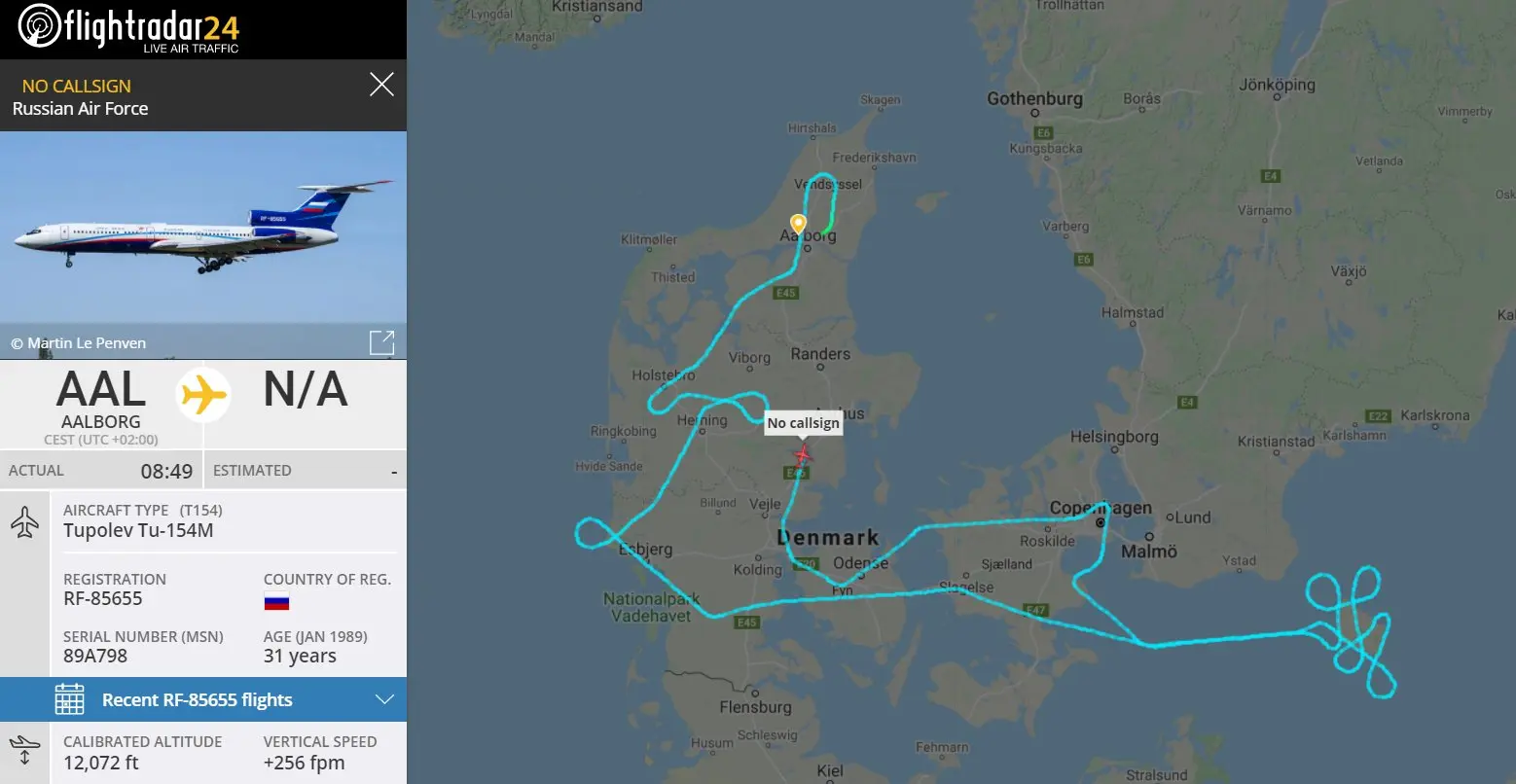
Recent developments in flight radar technology have been marked by a pronounced increase in the availability of tracking services to the general public. Websites and mobile applications offering live flight information have gained immense popularity, allowing users to monitor flights from departure to arrival. During the pandemic, flight radar usage surged as many sought to stay informed about air travel trends and regulations. Non-profit organisations have also emerged, such as FlightAware and Flightradar24, which provide detailed statistics and analytics, enhancing public knowledge concerning air traffic operations.
Benefits of Flight Radar Systems
Flight radar systems not only contribute to air traffic safety but also improve passenger experiences. By providing real-time updates on flight statuses, airlines can keep passengers informed about delays or gate changes. These services have also facilitated better communication between airlines and customers, allowing for more efficient rebooking processes in case of disruptions. Furthermore, data collected from flight radar is invaluable for aviation research, helping authorities to analyse trends and develop better solutions for air traffic management.
Conclusion
In conclusion, flight radar technology is integral to the modern aviation landscape. Its role in enhancing safety, operational efficiency, and customer satisfaction cannot be overstated. As air travel continues to recover and expand, advancements in flight radar technology will play a key role in managing the complexities of global air traffic. The expectations for more integrated systems and improved public accessibility indicate a bright future for flight tracking technologies, ensuring air travel remains safe and reliable for all.
