Introduction
The West Nile Virus (WNV) is a mosquito-borne illness that is gaining attention worldwide due to its impact on public health. First identified in the West Nile region of Uganda in 1937, this virus has now spread across various continents, including North America and parts of Europe. Understanding WNV is crucial as it poses severe health risks, especially during warmer months when mosquito populations peak. In recent years, the prevalence of West Nile Virus cases has prompted health organisations to renew their focus on prevention and awareness.
Current Situation and Symptoms
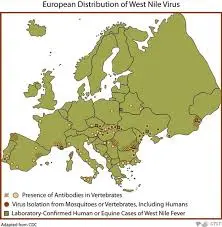
As of October 2023, cases of West Nile Virus have been reported in several European countries, igniting concern among public health officials. Symptoms generally appear 3 to 14 days after being bitten by an infected mosquito and may range from mild to severe. Common mild symptoms include fever, headache, body aches, and sometimes a rash. However, in more serious cases, WNV can lead to neurological complications such as meningitis or encephalitis. This variation in symptoms makes it essential to be aware of any potential exposure and take added precautions during peak mosquito season.
Prevention and Control
The UK’s Public Health England (PHE) advises on several precautionary measures to limit the risk of infection. These include using mosquito repellent, wearing long sleeves in wooded or grassy areas, and ensuring that standing water, which serves as mosquito breeding grounds, is eliminated. Local councils have also stepped up their efforts in mosquito control through public education campaigns, focusing on how individuals can protect themselves and their families while enjoying outdoor activities.
Conclusion
Raising awareness about West Nile Virus is vital for preventing potential outbreaks. With climate change influencing the habitats of mosquitoes, the threat of WNV may continue to evolve, potentially increasing its presence in the UK and beyond. Health authorities and researchers are continuously monitoring these trends, emphasising the importance of public education, symptom familiarity, and preventive measures. Individuals are encouraged to stay informed about WNV and adopt behaviors that reduce their risk of infection. The proactive approach by health officials and community awareness can significantly mitigate the potential impacts of West Nile Virus.
