Introduction to Parkinson’s Disease
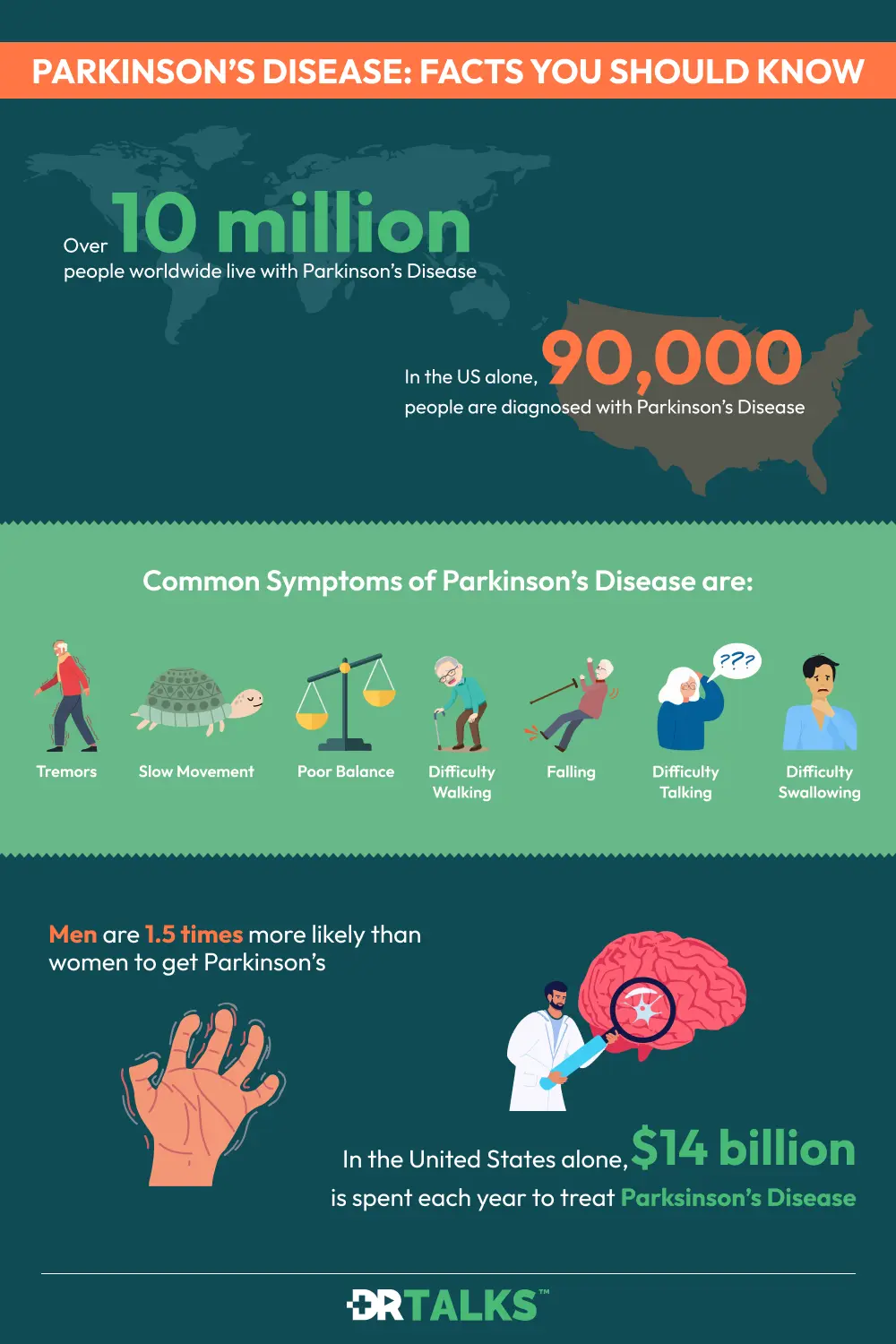
Parkinson’s disease is a progressive neurological disorder that affects movement. It is a significant health concern, with an estimated 1 in 500 people diagnosed globally, making awareness and understanding of this condition essential for patients and their families. As research progresses, enhancing public knowledge about Parkinson’s is vital for improving the quality of life for those affected and supporting ongoing efforts in finding effective treatments.
Symptoms and Diagnosis
The symptoms of Parkinson’s disease vary widely but typically include tremors, stiffness, slowness of movement, and balance issues. Early diagnosis can be challenging, as symptoms often begin subtly and can be mistaken for normal ageing. Medical professionals commonly rely on a detailed medical history and neurological examinations to diagnose the condition. In advanced cases, patients may experience cognitive changes and psychological effects, including depression and anxiety.
Treatment Options
Currently, there is no cure for Parkinson’s disease; however, various treatment options aim to manage symptoms effectively. Medications such as Levodopa and dopamine agonists are frequently prescribed to improve motor function, while physical therapy can help maintain mobility and independence. Additionally, ongoing research is exploring cutting-edge treatments, including gene therapy and stem cell research, which hold promise for future advancements in care.
Recent Developments and Research
Recent studies, including those published in the Journal of Parkinson’s Disease, highlight the potential of wearable technology in monitoring symptoms and contributing to personalised treatment plans. Furthermore, the global push towards understanding genetic factors associated with Parkinson’s has provided insights into its possible origins, encouraging a more targeted approach to treatment and prevention strategies.
Conclusion: The Future of Parkinson’s Disease Management
The significance of addressing Parkinson’s disease cannot be overstated, given its impact on millions worldwide. Continued research, public awareness, and support initiatives are essential to improve patient outcomes and develop innovative therapies. As we move forward, fostering a deeper understanding of Parkinson’s will enhance community support networks and contribute to a future where effective management and potential cures are within reach.
