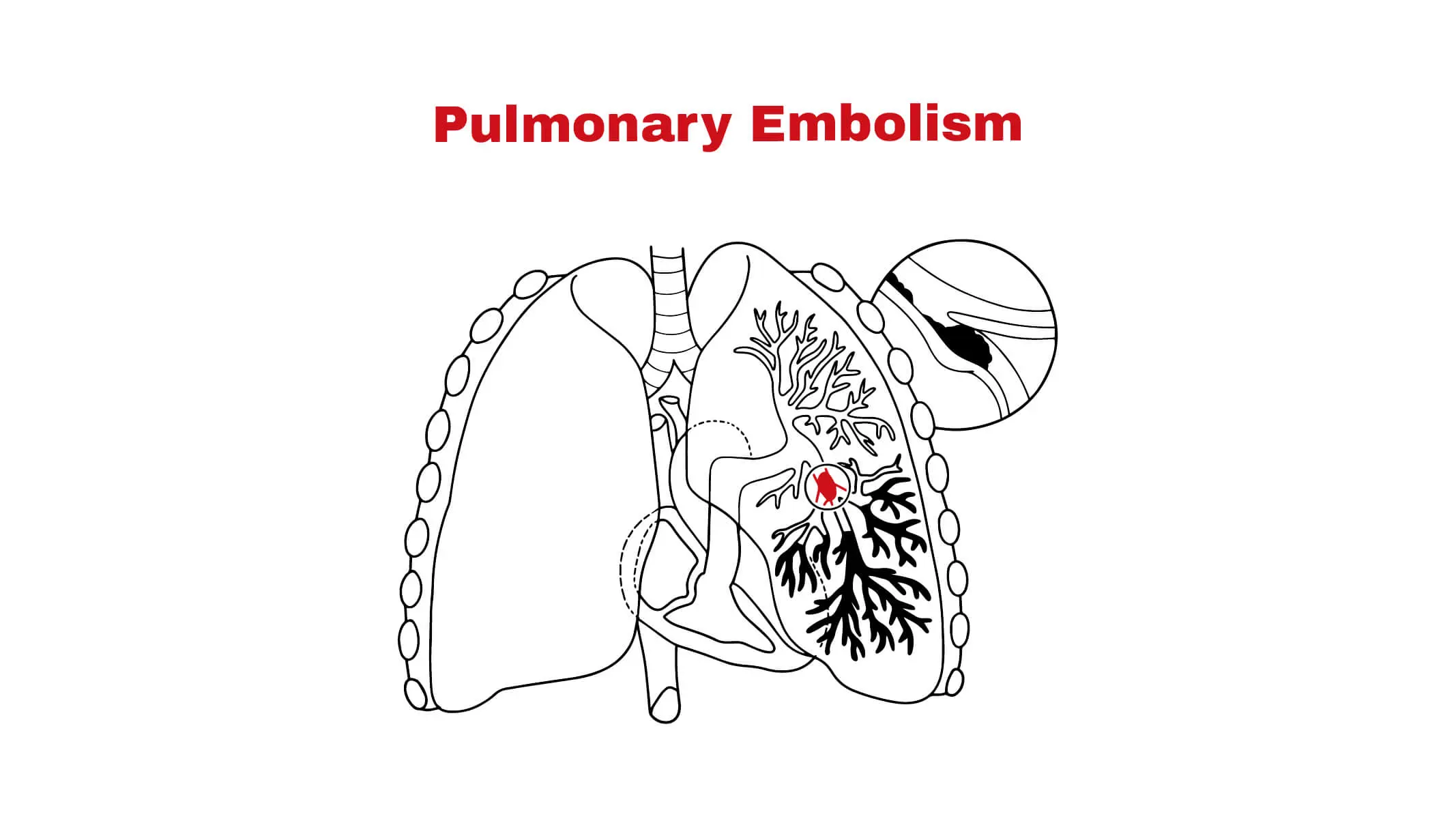
Introduction to Pulmonary Embolism
Pulmonary embolism (PE) is a life-threatening condition that occurs when a blood clot obstructs the pulmonary arteries in the lungs. This blockage can lead to severe complications, including decreased oxygen supply to organs and potentially fatal consequences. As one of the leading causes of preventable deaths globally, understanding its risk factors, symptoms, and treatment options is crucial for public health awareness.
What Causes Pulmonary Embolism?
The most common cause of pulmonary embolism is deep vein thrombosis (DVT), where blood clots form in the deep veins of the legs and travel to the lungs. Factors that increase the risk of DVT and subsequent PE include prolonged immobility, such as during long flights, surgery, or bed rest, obesity, smoking, certain medical conditions (like cancer or heart disease), and hormonal factors such as pregnancy or the use of birth control pills.
Symptoms of Pulmonary Embolism
Recognising the symptoms of PE can be a matter of life and death. Common symptoms include sudden shortness of breath, chest pain that may worsen with deep breathing, coughing up blood, rapid heart rate, and lightheadedness. However, symptoms can vary widely depending on the size of the embolism and the extent of lung involvement, making prompt medical assessment essential.
Diagnosis and Treatment Options
Diagnosis of pulmonary embolism typically involves imaging tests such as a CT pulmonary angiography, which helps visualize the blockage in the pulmonary arteries. Additional tests may include blood tests to assess clotting, ultrasounds of the legs to check for DVT, and electrocardiograms to evaluate heart function.
Treatment for pulmonary embolism often starts with anticoagulants, which are medications that help dissolve existing clots and prevent new ones from forming. In more severe cases, thrombolytic agents may be administered to rapidly dissolve clots, while surgical interventions like embolectomy may be necessary for larger clots. Ongoing management may involve lifestyle changes and medications to prevent recurrence.
Conclusion
Understanding pulmonary embolism is essential for prevention and treatment. Recognising the risk factors and signs can lead to timely medical intervention, significantly reducing the risk of severe complications or death. As research progresses, newer treatment options and increased awareness promise better outcomes for those affected. Public health efforts should focus on education regarding this critical condition to enhance early detection and management.
