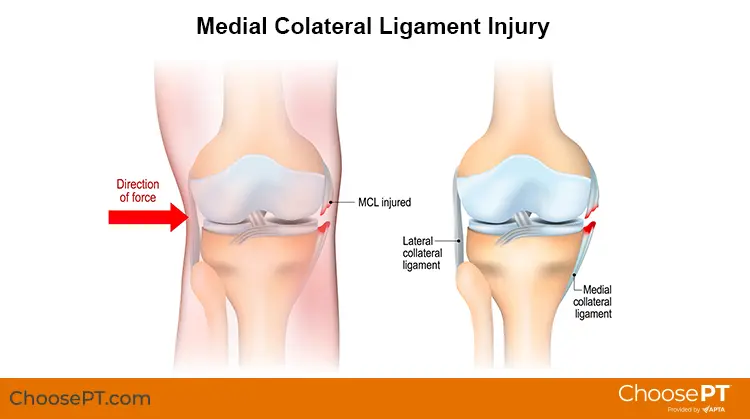
Introduction to MCL Injury
The Medial Collateral Ligament (MCL) injury is a common concern for athletes and active individuals alike. This ligament, located on the inner part of the knee, provides stability and support during physical activities. The significance of understanding MCL injuries lies not only in their prevalence but also in their potential long-term impacts on mobility and performance. As sports seasons are in full swing, awareness and education about MCL injuries have become increasingly crucial.
What Causes MCL Injuries?
MCL injuries typically occur due to direct trauma or unusual stress on the knee. Common scenarios include:
- Contact Sports: Sports such as football, rugby, and basketball often involve collisions that can result in an MCL injury.
- Twisting Movements: Activities that require sudden changes in direction or pivoting can also lead to strain or tears in the ligament.
- Overuse: Repetitive strain from high-impact activities can weaken the ligament over time, increasing the risk of injury.
Symptoms of MCL Injury
Individuals with an MCL injury may experience a variety of symptoms, including:
- Pain: Localised pain on the inner side of the knee, worsening with activity.
- Swelling: Inflammation around the knee joint may be visible.
- Instability: A feeling that the knee may give way during movement.
Diagnosis and Treatment Options
To accurately diagnose an MCL injury, healthcare professionals may conduct physical examinations, imaging tests such as MRI, and assess the range of motion. Treatment often depends on the severity of the injury, categorised as follows:
- Grade I (Mild): Treatment includes rest, ice, compression, and elevation (RICE) to alleviate symptoms.
- Grade II (Moderate): May require a knee brace for additional support alongside physical therapy.
- Grade III (Severe): Surgery may be necessary for complete tears, particularly for athletes requiring full function.
Conclusion: Importance of Awareness and Recovery
Recognising the signs and symptoms of MCL injuries is vital for early intervention and effective recovery. With the right understanding and management, most individuals can expect to return to their normal activities within a few weeks to months, depending on the severity of the injury. As sporting activities become increasingly competitive, increased awareness and preventive measures will be key to minimising the risk of MCL injuries. Education about proper techniques and strengthening exercises may also significantly reduce the likelihood of these injuries in the future.
