Introduction
The Covid-19 pandemic has reshaped global health policies, making vaccine distribution a top priority. Understanding Covid vaccine eligibility is crucial for individuals seeking protection against the virus. As variant strains emerge and booster shots become available, staying updated on eligibility is essential for public health and personal safety.
Current Eligibility Criteria
As of October 2023, vaccine eligibility varies across regions but typically includes the following groups:
- Adults Ages 18 and Older: All adults are encouraged to get vaccinated if they have not yet received their first doses.
- High-Risk Populations: People with underlying health conditions, essential workers, and those living in congregate settings qualify for priority vaccination.
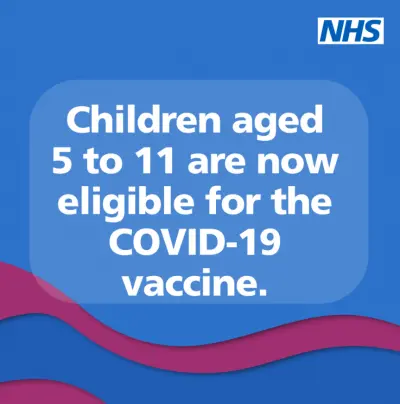
- Children and Adolescents: Many countries have expanded eligibility to children aged 5 and over, with specific guidelines on the number of doses they should receive.
- Booster Shots: Individuals who completed their initial vaccination regimen may be eligible for booster shots after a specific period.
Recent Developments and Updates
Recent advancements in vaccine technologies and the ongoing research on booster efficacy have led to adjustments in eligibility requirements. For instance, in the UK, the Joint Committee on Vaccination and Immunisation (JCVI) has recently recommended a second booster dose for vulnerable populations. Furthermore, new advice is expected as we approach winter, given the seasonal nature of respiratory viruses.
Additionally, there have been significant public health campaigns aimed at increasing vaccine uptake, especially in underserved communities. Mobile vaccination units and community outreach programs are being implemented to ensure equitable access to vaccines.
Conclusion
Being aware of Covid vaccine eligibility is more important than ever as we continue to navigate through the pandemic. Vaccination remains the most effective way to decrease infection rates and protect the most vulnerable in society. As more data emerges regarding effectiveness and coverage, patients are encouraged to check local health department resources or consult with healthcare providers for the most accurate information.
In the coming weeks, it is anticipated that vaccine eligibility will continue to be updated as health authorities respond to the pandemic’s evolving landscape. Readers are advised to remain vigilant and proactive in seeking vaccination and sharing credible information with friends and family.
