Introduction
As the world continues to navigate the ongoing challenges posed by COVID-19, health officials are now focusing on a new strain that has emerged in 2025. Understanding the symptoms associated with this strain is crucial for effective diagnosis, treatment, and containment measures. With the potential for increased transmissibility and severity, recognising these symptoms can help individuals take timely action to safeguard their health and the health of others.
Overview of the New COVID Strain
The new COVID strain, identified as B.1.175, was first reported in early 2025 in several countries. Preliminary data suggest that this strain exhibits mutations that may allow it to evade some immune responses generated by previous infections and vaccinations. As a result, health authorities have emphasised the need for renewed vigilance.
Key Symptoms of the New Strain
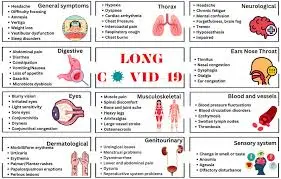
Recent studies indicate that the symptoms associated with the B.1.175 strain may differ slightly from those of earlier variants. Common symptoms reported by infected individuals include:
- Fever: Persistent low-grade fever is observed more frequently in those infected with the new strain.
- Fatigue: Increased levels of fatigue and exhaustion have been reported, which can significantly impact daily activities.
- Cough: A dry cough remains one of the hallmark symptoms, coupled with occasional wheezing.
- Loss of Taste and Smell: These symptoms continue to be prevalent, but cases of altered taste sensations have also been noted.
- Respiratory Distress: Some patients have experienced shortness of breath and chest discomfort.
- Gastrointestinal Issues: A rise in gastrointestinal symptoms, such as nausea and diarrhoea, is being reported.
Public Health Response
In response to the emergence of the B.1.175 strain, public health officials have advised enhanced surveillance, testing, and contact tracing measures. Vaccination campaigns are also adapted to ensure efficacy against this new strain. Experts are urging the public to continue practicing safety measures such as mask-wearing in crowded places, maintaining physical distancing, and frequent hand hygiene.
Conclusion
The appearance of a new COVID strain in 2025 highlights the need for continuous monitoring and research. As symptoms may evolve, staying informed is critical. Readers are encouraged to seek medical advice promptly if they experience any concerning symptoms. By understanding and recognising these new symptoms, individuals can contribute significantly to managing the spread of the virus and protecting public health.
