Introduction
San Marino, one of the world’s smallest and oldest republics, holds a unique position both geographically and politically. Nestled within Italy, this landlocked microstate has a history that dates back to the year 301 AD. Its continual independence and distinctive governance system make it a subject of interest for historians and travellers alike. Understanding San Marino’s legacy is essential to appreciating its role in European history and its cultural significance today.
Historical Significance
San Marino claims to be the oldest existing sovereign state and constitutional republic, with its foundation attributed to St. Marinus, a stonecutter who fled from Croatia to escape persecution. The republic has managed to maintain its independence through various historic challenges, including threats from powerful neighbours and various regional conflicts. Notably, during the Napoleonic Wars, it successfully preserved its sovereignty by cleverly negotiating with the French emperor.
Political Structure
The governing system of San Marino is notable for its unique characteristics. It operates under a parliamentary system, with two Captains Regent who serve as heads of state for six-month terms. This system embodies the spirit of democracy and shared governance, allowing for representation and continuity in leadership. San Marino’s political stability is supported by its long-standing tradition of impartiality and neutrality in international conflicts.
Cultural Highlights
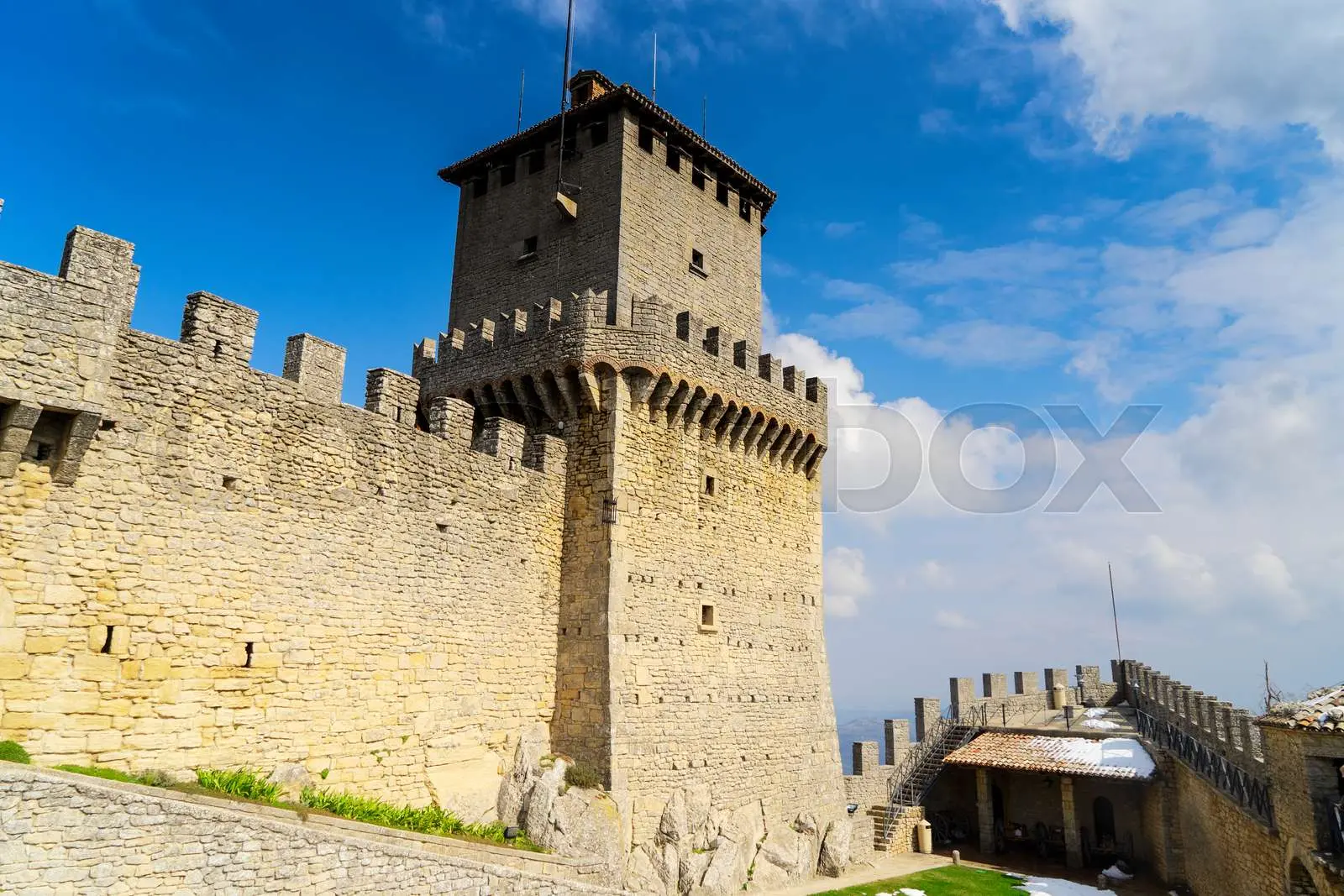
Home to stunning medieval architecture, San Marino boasts three towers at the summit of Mount Titano, which offer breathtaking views of the surrounding countryside. The Guaita, Cesta, and Montale towers are iconic symbols of the republic’s enduring strength. Visitors can also explore the historic centre, a UNESCO World Heritage site, which is brimming with narrow cobblestone streets, quaint shops, and museums that detail its rich past.
Modern Day San Marino
Today, San Marino enjoys a vibrant tourism industry, attracting around 3 million visitors annually. The economy is bolstered by the financial services sector, with banking and tourism being the main contributors. The government has taken steps to modernise while preserving its rich heritage. Recent developments have included enhancing digital services and promoting sustainable tourism to balance the influx of visitors while maintaining the integrity of the natural environment.
Conclusion
San Marino may be small in size, but its historical depth and cultural richness make it a significant part of Europe’s tapestry. With a stable political structure and a thriving tourism sector, the republic continues to draw interest from around the globe. As it stands the test of time, San Marino remains not only a point of interest for travellers but a testament to enduring democracy and national pride.
