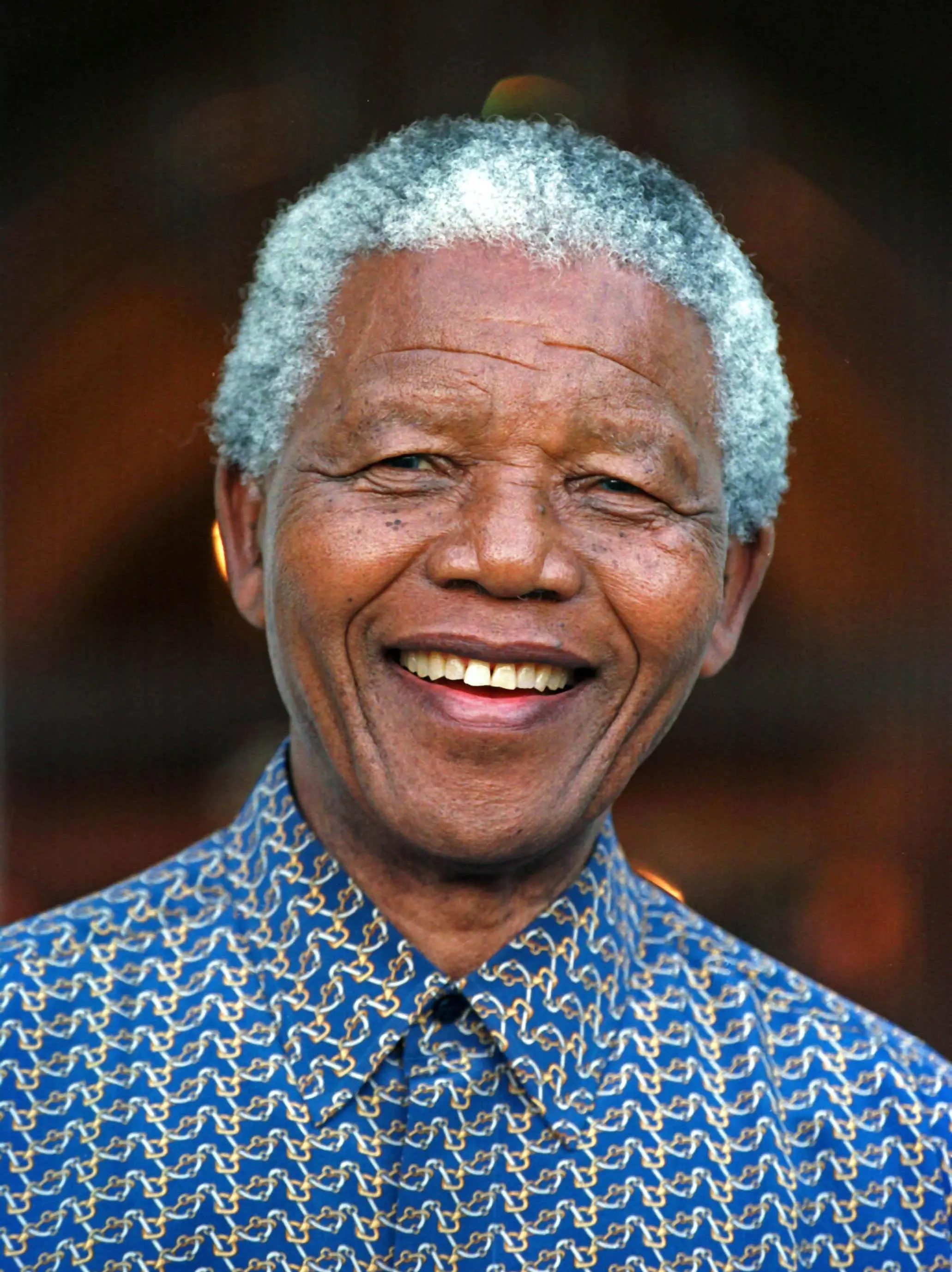
Introduction
Nelson Mandela remains a pivotal figure in the global struggle against apartheid and for human rights. His life and legacy continue to inspire movements for justice and equality worldwide. As we mark various anniversaries associated with his life, it is crucial to reflect on the significance of his contributions and the ongoing relevance of his teachings.
Life and Struggle
Born on July 18, 1918, in the village of Mvezo, South Africa, Mandela was the first member of his family to attend school. His journey into activism began when he joined the African National Congress (ANC) in 1943, where he worked tirelessly against the institutionalised racism of the apartheid regime. His leadership during the Defiance Campaign of 1944 and the establishment of the ANC Youth League demonstrated his commitment to non-violent protest.
However, as the apartheid government intensified its oppressive tactics, Mandela adopted more radical approaches. In 1961, he co-founded Umkhonto we Sizwe, the armed wing of the ANC, advocating sabotage against government facilities. This decision led to his arrest in 1962 and subsequent imprisonment for 27 years.
Release and Presidency
Mandela’s release in 1990 marked a turning point in South African history. His negotiation of the end of apartheid led to the first multiracial elections in 1994, where he was elected as the country’s first Black president. His leadership was characterised by reconciliation, promoting unity among the deeply divided nation.
International Impact and Legacy
Globally, Mandela is heralded as a symbol of peace and resilience. His advocacy for human rights extended beyond South Africa, inspiring movements worldwide. Institutions such as the Nelson Mandela Foundation continue his work by addressing poverty, education, and social justice issues.
Conclusion
As we remember Nelson Mandela, we are reminded of his enduring message that true freedom can only be achieved through equality, justice, and reconciliation. His legacy serves as a call to action for future generations to uphold human rights and fight against oppression in all forms. In an increasingly fractured world, Mandela’s teachings remind us of the power of resilience and the importance of standing against injustice.
