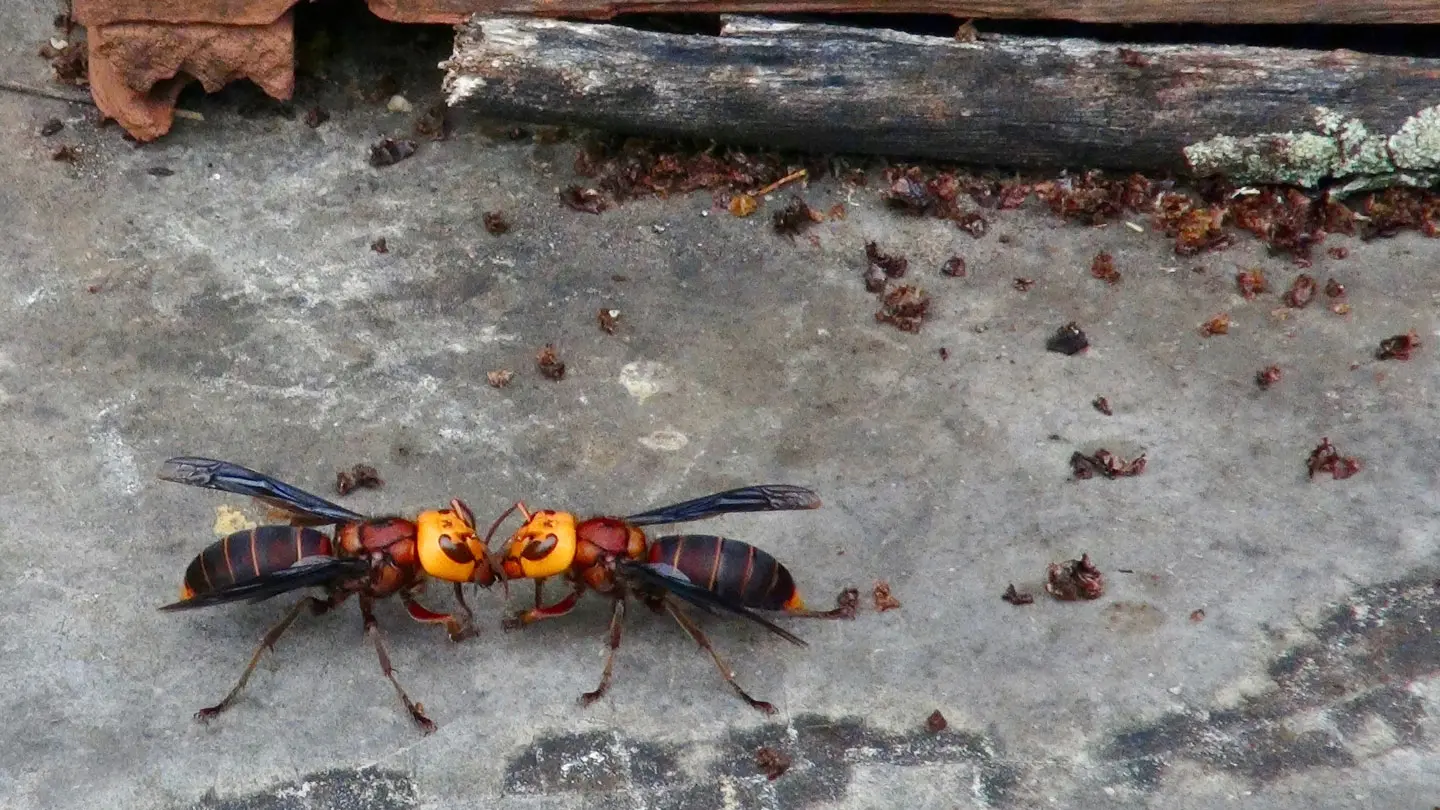
The Importance of Addressing Asian Hornets Nests
Asian hornets (Vespa velutina) are an invasive species that have gained considerable attention in recent years due to their potential impact on local ecosystems and agriculture. Native to Southeast Asia, these hornets were first reported in France in 2004 and have since spread across various European countries, posing a significant threat to honeybees and other beneficial insects. In the UK, sightings have become increasingly common, raising concerns among entomologists and agricultural experts about their invasive behaviour and the implications for biodiversity.
n
Recent Developments and Sightings
Authorities have reported a surge in Asian hornet sightings in the UK, particularly in the South of England. Following a notable observation in Devon earlier this year, pest control and environmental agencies have ramped up their efforts to monitor and manage the spread of these hornets. The National Bee Unit has provided directives to beekeepers to help them identify and report potential nests. Moreover, public awareness campaigns are being initiated to inform community members on recognising these nests and how to respond if they encounter one.
n
Impact on Local Ecosystems
One of the most alarming aspects of the Asian hornet’s presence is its predatory behaviour towards honeybees, vital for pollination. The hornets hunt bees to feed their larvae, leading to significant declines in honeybee populations which can disrupt local agriculture and ecosystems. Studies estimate that a single Asian hornet can kill up to 50 bees in an hour, contributing to the stress on honeybee colonies already struggling from diseases and environmental pressures. This raises serious concerns for food production and the overall health of our ecosystems.
n
Control Measures and Community Involvement
To combat the spread of the Asian hornet, several control measures are being recommended. The UK government has encouraged local residents to report any sightings, especially during the months of September and October when nests are most active. The use of traps specifically designed for Asian hornets is also being advocated as a method to reduce hornet populations before they can establish larger nests. Trained pest control professionals are being mobilised to safely remove existing nests while minimising risks to the public and the environment.
n
Conclusion: The Path Forward
With the ongoing threat of Asian hornets nests, it is imperative for both citizens and authorities to remain vigilant. By engaging with local initiatives, participating in reporting sightings, and understanding the risks posed by this invasive species, communities can contribute to efforts aimed at controlling its spread. Collaboration between beekeepers, environmentalists, and policymakers will be crucial in safeguarding local ecosystems against these formidable pests and ensuring the sustainability of vital pollination services.
