Introduction
Camber Sands, a popular beach located in East Sussex, UK, is currently facing an environmental crisis due to the presence of plastic beads along its sandy shores. This issue is of significant importance, as plastic pollution poses severe threats to marine life and ecosystems. The local community, environmental groups, and authorities are stepping up to tackle the problem, highlighting the need for awareness and action against plastic waste.
Current Situation
Reports have emerged in recent weeks detailing an increase in the number of plastic microbeads and polystyrene spheres washed up on Camber Sands. These tiny plastic particles, often used in cosmetics and various industrial processes, can be detrimental to marine wildlife when ingested. According to recent studies, over 800 species, including fish and seabirds, are known to be affected by microplastics, which can lead to fatal health issues.
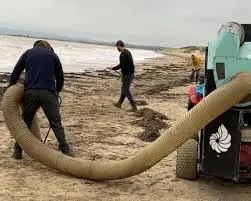
Local volunteers and environmental organisations, such as Surfers Against Sewage, have made significant efforts to organise beach clean-up events. Data collected during these clean-ups shows alarming levels of plastic accumulation. During a recent event held on a Sunday morning, volunteers removed over 1,500 plastic beads from just a small section of the beach.
Community Response
The community response has been overwhelmingly supportive, with residents eager to participate in beach clean-up activities to protect their local environment. Schools in the area are also incorporating lessons on plastic pollution into their curricula, raising awareness among young people about the impacts of plastic on marine ecosystems.
The local government has pledged to support these initiatives by providing additional resources and facilitating future clean-up events. They are also working closely with environmental agencies to educate local businesses about sustainable practices and responsible waste disposal methods.
Future Outlook
Moving forward, it is essential for the public to remain informed about the ongoing issues surrounding plastic pollution, particularly in vulnerable ecosystems like Camber Sands. Through collective efforts, including beach clean-ups, educational programs, and advocacy for stricter regulations on plastic production, communities can work towards a healthier environment.
Organizations predict that with sustained efforts, the prevalence of plastic beads and microplastics at Camber Sands can be significantly reduced, benefitting both local wildlife and the ecosystem. For locals and visitors alike, preserving the natural beauty of Camber Sands will require ongoing commitment and vigilance against plastic pollution.
