Introduction
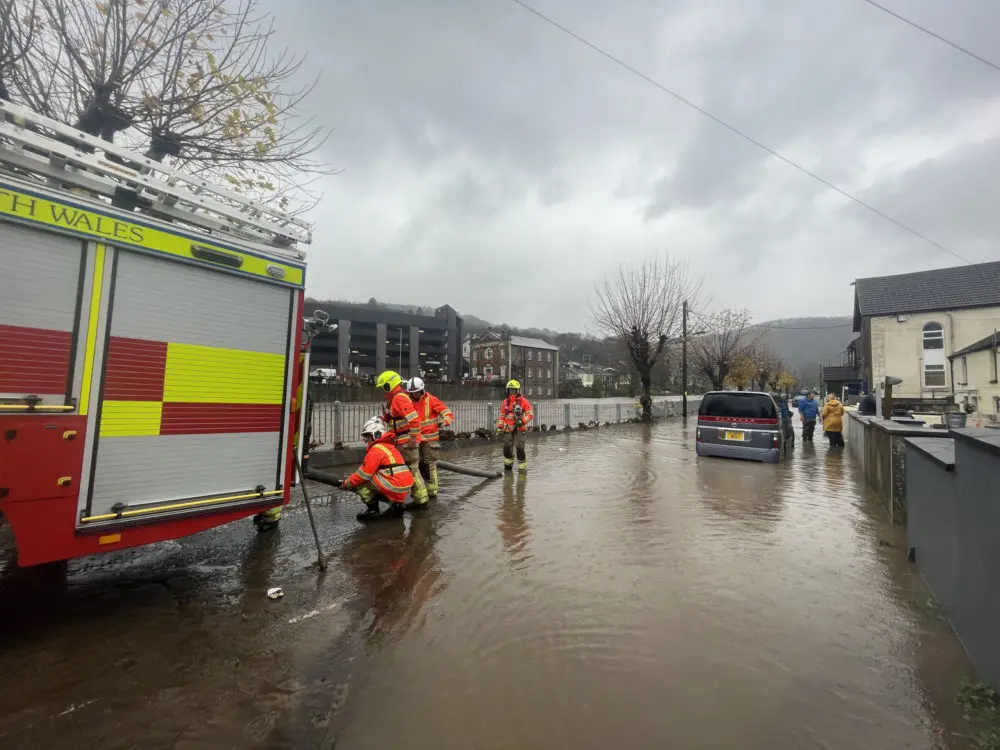
The recent floods in Southern Wales have raised alarms regarding climate change preparedness and infrastructure resilience. Torrential rain and severe weather patterns have resulted in significant flooding, prompting emergency responses across the affected regions. This event underscores the importance of disaster preparedness and community resilience in the face of increasing extreme weather occurrences.
Details of the Flooding Events
During the last week of October 2023, Southern Wales experienced unprecedented rainfall, leading to rivers overflowing their banks in several areas, particularly in Cardiff, Newport, and the valleys surrounding the River Usk and River Wye. Emergency services reported over 100 incidents where properties and roads were inundated with water, resulting in the displacement of countless families. Met Office data indicates that some areas received over 150mm of rain within just 24 hours, a stark contrast to the average monthly total for this time of year.
The floods have also disrupted transportation networks, with rail and road services significantly affected. Major routes including the M4 motorway faced closures and delays, further complicating the already strained transport services.
Emergency Response
The local government and emergency services mobilised quickly, establishing temporary shelters for displaced residents and deploying sandbags to critical locations to mitigate further flooding. The Welsh Government issued a statement acknowledging the severity of the situation and announced funding for recovery efforts to aid those impacted by the floods.
Long-term Implications
As communities begin the process of recovery, experts are raising concerns about the long-term implications of such flooding events. Climate scientists warn that with rising global temperatures, incidents of heavy rainfall and flooding could become more frequent, necessitating urgent reviews of infrastructure and emergency planning in vulnerable areas.
Furthermore, local businesses are also feeling the financial burden caused by damage and disruption. Economic recovery plans are already in discussion to support those affected and bolster community resilience against future weather events.
Conclusion
The Southern Wales floods of 2023 have highlighted the urgent need for concerted efforts in disaster management, community preparedness, and climate action. As recovery efforts are underway, the focus must shift toward investing in infrastructure that can withstand extreme weather, ensuring communities are better equipped for the challenges ahead. This serves as a critical moment for residents, government bodies, and environmental organisations to collaborate in enhancing the resilience of Southern Wales against climate-related disasters.
