Introduction
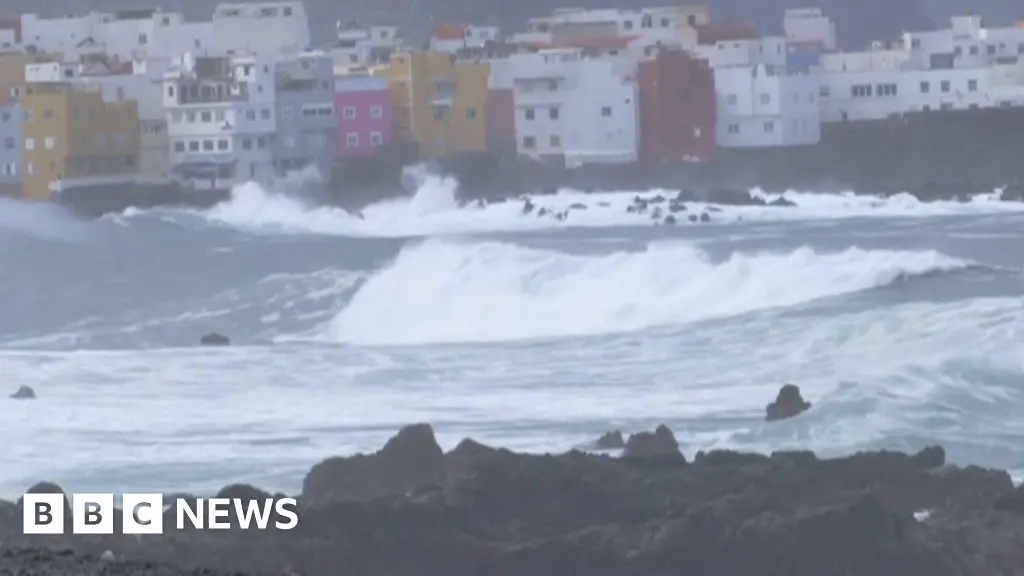
Tenerife, the largest of Spain’s Canary Islands, has recently experienced significant tidal surges, raising concern among residents and the tourism sector. This phenomenon, attributed to a combination of weather patterns and sea-level rise, poses risks to coastal areas and may disrupt seasonal tourism that is vital for the island’s economy. Understanding the implications of these tidal surges is crucial for residents and businesses alike.
Details of the Recent Tidal Surge
In early October 2023, Tenerife recorded unusual tidal surges reaching heights of 2.5 metres in certain areas, much higher than the usual tides. Authorities monitored the situation closely, issuing warnings to the public about potential flooding and property damage. The surge was mainly caused by a series of low-pressure systems combined with strong winds from the Atlantic Ocean, resulting in elevated sea levels across the Canary Islands.
Coastal regions of Tenerife, including popular tourist destinations such as Playa de las Américas and Los Cristianos, were significantly impacted. Reports indicated minor flooding in beachfront establishments and streets, forcing local businesses to temporarily close. Emergency services were on high alert, ready to respond to any incidents stemming from the surges.
Response and Preparations
In response to the tidal surge, local authorities activated emergency protocols aimed at safeguarding public safety and minimising economic losses. Beach access was restricted in particularly vulnerable areas, and information campaigns were launched to educate residents and tourists about safety measures during such weather events.
Furthermore, Tenerife’s government has initiated discussions about long-term coastal management strategies. These plans include improving coastal defences and enhancing early warning systems to mitigate the impact of future tidal surges. Scientists and environmentalists emphasise that climate change is likely to increase the frequency and intensity of tidal events, making proactive measures essential.
Conclusion
The tidal surge in Tenerife serves as a reminder of the increasing vulnerabilities faced by coastal communities worldwide. As climate change continues to affect weather patterns, the island’s residents, businesses, and authorities must adapt to the changing environment. Looking ahead, the reliance on robust planning and infrastructure will be crucial to safeguard against future tidal events. For both residents and holidaymakers, staying informed about these developments will not only ensure personal safety but also contribute to the resilience of this beautiful island.
