Introduction
The luxury watch market, particularly for brands like Rolex, has experienced a significant price fluctuation in recent months, with reports suggesting a notable crash in prices. This topic is critical not only for collectors and investors but also for casual buyers who are keen on understanding the trends affecting prized timepieces. As Rolex watches have increasingly been viewed as a status symbol and a financial investment, the price drops warrant attention and analysis.
The Price Decline
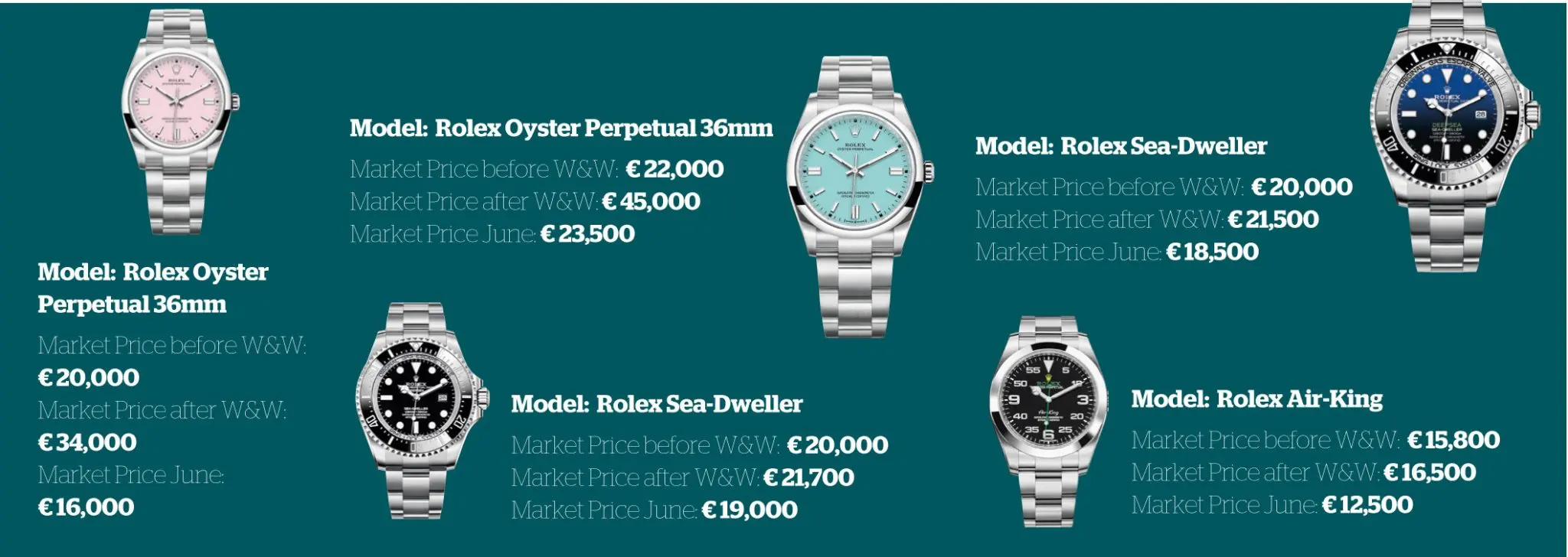
Recent data from various auction houses and reselling platforms indicate that the prices of certain Rolex models, particularly the sought-after Daytona and Submariner, have seen substantial declines, reported to be between 15% to 35% in some cases. This has raised concerns among collectors who rely on the steady appreciation of these watches for investment purposes. Auction platform WatchBox noted that, while some models are still holding their value, the overall trend points towards a market correction.
Causes of the Crash
Several factors contribute to the Rolex price crash. Firstly, the availability of supply has surged as more owners are selling their watches, prompted by rising economic uncertainties and inflationary pressures globally. Secondly, the overheated market seen during the pandemic, characterised by hype and speculative buying, has begun to cool as buyer interest wanes and market realities set in. Finally, the introduction of new models and updated lines by Rolex is leading some collectors to reassess the value of older or previously sought-after models, further contributing to price declines.
Implications for Buyers and Collectors
The implications of the Rolex price crash are significant for both potential buyers and existing collectors. For buyers, this could present a timely opportunity to acquire luxury watches at a lower price point. Collectors, on the other hand, may need to adjust their strategies, focusing on long-term value retention rather than short-term gains. Experts recommend thorough research and consideration of individual watch models before making purchases in the current climate.
Conclusion
The recent Rolex price crash unearths a complex interplay of supply, demand, and buyer psychology in the luxury watch market. As the market adjusts, stakeholders must remain agile, making informed decisions based on current trends and forecasts. Moving forward, the significance of this price crash could redefine the value perceptions of luxury timepieces, potentially leading to a more stable market in the long run. Buyers are encouraged to approach the luxury watch landscape with caution and strategic foresight as they navigate these changes.
