Introduction
The retirement age is a crucial topic that affects millions of individuals as well as the economy at large. With life expectancy rising and economic pressures mounting, the discussion around pension age is more relevant than ever. Various countries are grappling with the implications of raising the retirement age, which could affect the financial stability and quality of life for retirees.
Recent Developments
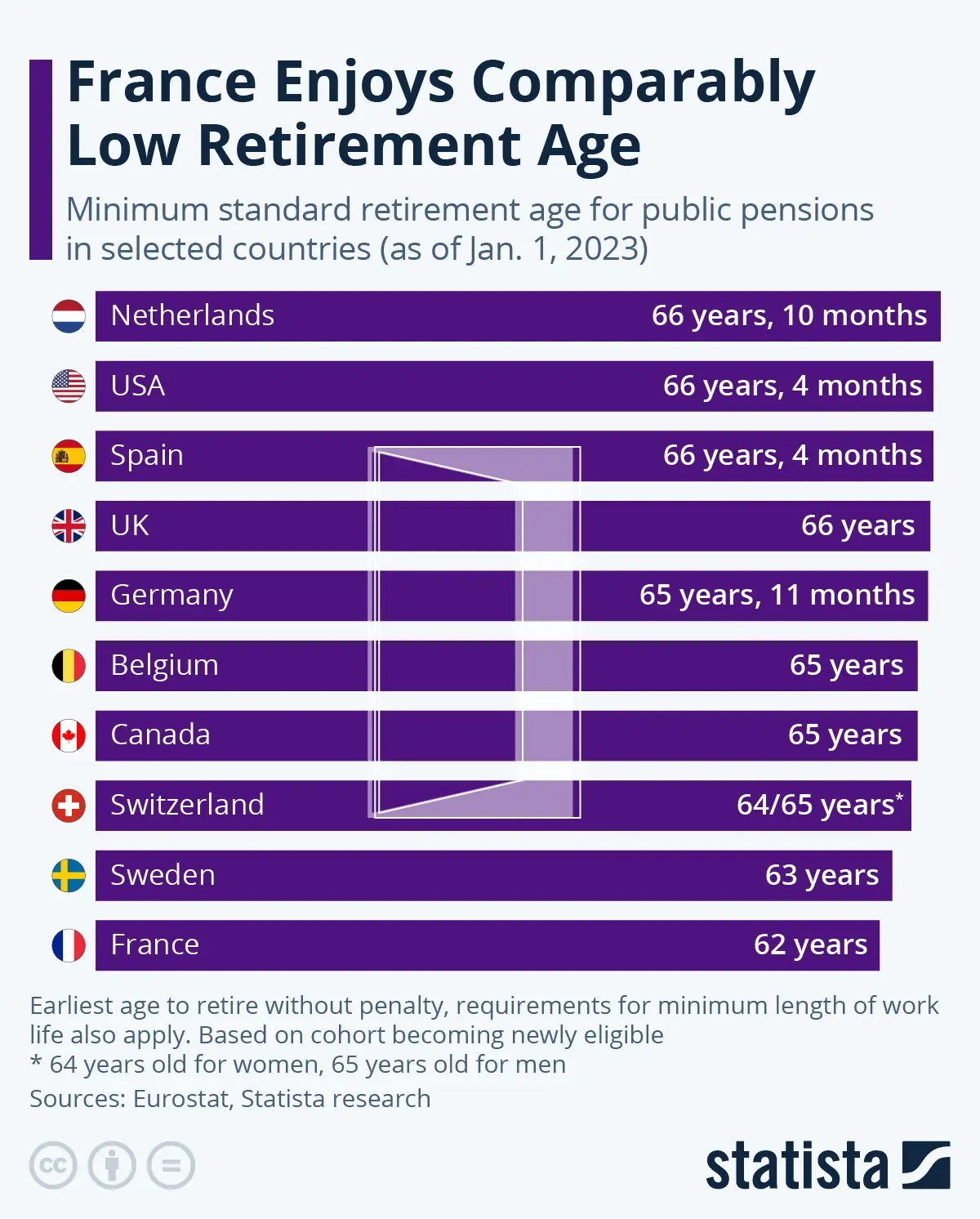
In the UK, the official retirement age is currently set at 66, but plans to increase it to 67 by 2028 are already in motion. This decision stems from increasing life expectancy and the need to support the pension system financially. According to the Office for National Statistics (ONS), the average life expectancy in the UK has risen to 81 years, which adds further pressure on state pension funds.
Countries across Europe are also revisiting their retirement policies. For instance, France is considering raising the retirement age from 62 to 64, while Germany has already implemented gradual increases to ensure sustainability in their pension system. These changes often evoke public outcry, as seen in France, where protests erupted against the proposed age increase.
Impact on the Workforce
Raising the retirement age can have mixed impacts on the workforce. On one hand, it may encourage older adults to remain in the job market longer, thereby contributing to the economy and sharing their expertise. On the other hand, extending working years may lead to increased job competition among younger individuals, as positions may be occupied for a longer period.
Moreover, there are concerns about the physical and emotional readiness of older adults to continue working. The Trades Union Congress (TUC) highlights that physically demanding jobs may not be suitable for older workers, potentially leading to health issues and a decline in job satisfaction.
Conclusion
The topic of retirement age continues to evolve, with implications that will undoubtedly shape both individuals’ lives and the broader societal landscape. As policy makers balance financial sustainability with the needs of retirees, public engagement and discourse are essential for achieving equitable solutions. Looking ahead, individuals planning for retirement should remain informed of changes in policy, consider their personal financial strategies, and advocate for supportive work environments that acknowledge the diverse needs of an ageing workforce.
