Introduction
Polymarket, a leading prediction market platform, has been making headlines in the ever-evolving landscape of cryptocurrency and online betting. This innovative platform allows users to trade on the outcomes of various real-world events, providing valuable insights into public sentiment and potential future developments. As technology progresses and interest in decentralised finance increases, platforms like Polymarket are gaining significant importance for traders, investors, and enthusiasts seeking to leverage market intelligence.
What is Polymarket?
Founded in 2020, Polymarket operates as an open marketplace that enables users to bet on the outcomes of events across various categories, including politics, entertainment, and sports. Users can buy and sell shares associated with specific outcomes, with prices reflecting the consensus of what the market believes will happen. The platform is built on the Ethereum blockchain, ensuring that transactions are transparent, tamper-proof, and entirely powered by smart contracts.
Recent Developments
In the past few months, Polymarket has expanded its offerings significantly, introducing new markets for the impending US elections, sports events, and even global happenings like climate initiatives. The platform’s significant growth has attracted attention not just for its innovative approach, but also due to various regulatory challenges it has faced. In particular, the Commodity Futures Trading Commission (CFTC) has scrutinised the platform, prompting discussions around the legality and regulation of such markets in the United States.
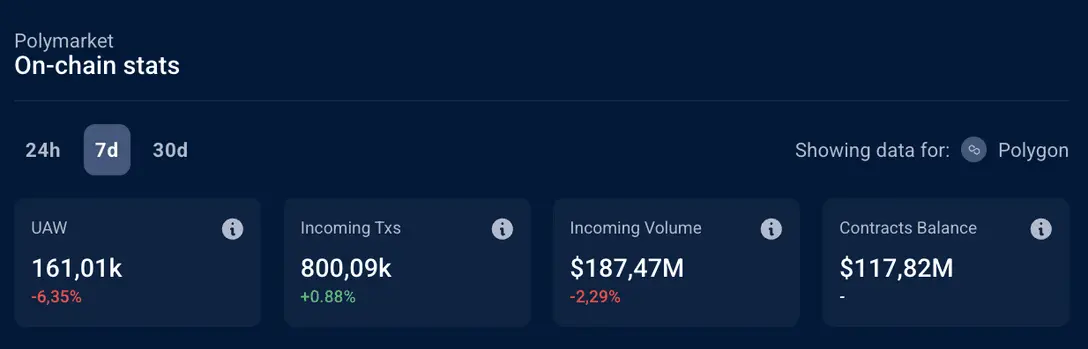
Despite these challenges, user engagement continues to rise. According to recent reports, Polymarket has seen millions of dollars traded regularly, showcasing the high level of interest and potential profitability. Moreover, the advent of new regulatory frameworks could pave the way for more legitimate ties to traditional gambling regulations, further legitimising the platform.
The Significance for Users
For users, Polymarket represents a unique opportunity to speculate on outcomes, often providing insights that traditional polling methods may overlook. The idea of harnessing the collective intelligence of the crowd can lead to more accurate forecasts on issues that affect everyone, from elections to major cultural events. However, potential users must approach the platform with caution, as the nature of prediction markets can be highly volatile, with rapid price changes reflecting new information or shifts in public opinion.
Conclusion
The emergence and growth of Polymarket illustrate a significant shift in how individuals interact with uncertain future events. As the landscape of prediction markets continues to evolve, stakeholders, including regulators and users, will need to balance innovation with responsible oversight. As more people recognise the potential of these platforms, including Polymarket, we can anticipate a future where prediction markets play an integral role in decision-making and public discourse. Ultimately, the way we understand and engage with uncertainty may never be the same again.
