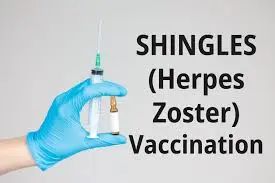
Introduction
The shingles vaccine has gained significant attention recently as health experts emphasize its role in preventing shingles, a painful skin rash caused by the reactivation of the varicella-zoster virus. With reports indicating an increase in shingles cases among older adults, the relevance of the shingles vaccine has become clearer than ever. This vaccine is particularly vital for individuals aged 50 and above, who are at a higher risk of severe complications.
What You Need to Know About the Shingles Vaccine
The shingles vaccine, known as Shingrix, is a recombinant zoster vaccine recommended by health authorities, including the National Health Service (NHS). It is administered in two doses, typically given two to six months apart. Research shows that Shingrix is more than 90% effective at preventing shingles and its complications, such as postherpetic neuralgia (PHN), a debilitating nerve pain that can persist long after the shingles rash has healed.
In recent years, the uptake of the shingles vaccine has been rising, driven by an increased awareness of the disease and its potential impacts. The NHS recommends that anyone over the age of 70 should receive the vaccine. For adults between ages 50 and 69, the vaccine is recommended but is not routinely available on the NHS. As of October 2023, drug authorities report that uptake is expected to continue growing due to successful public health campaigns.
Current Trends and Recommendations
According to the latest statistics from the NHS, there has been a steady increase in shingles vaccination rates across the UK, particularly among those eligible within the recommended age brackets. Medical professionals urge those eligible to take the vaccine seriously, especially considering the increasing incidence of shingles over the past decade.
Healthcare providers across the UK are encouraged to ensure that patients are informed about the benefits and availability of the shingles vaccine. Many pharmacies are also participating in vaccination efforts, providing access and information to individuals looking to protect themselves from shingles.
Conclusion
As the shingles vaccine becomes more widely available and its benefits more recognised, it is crucial for individuals, especially those aged 50 and above, to consider getting vaccinated. With the substantial risk associated with shingles and its uncomfortable symptoms, vaccination is a proactive step towards safeguarding health. Looking ahead, increased public education and outreach will likely lead to higher vaccination rates, reducing the prevalence of this painful illness in the community.
