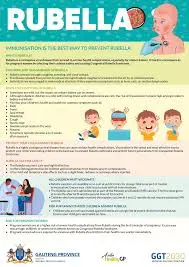
Introduction to Rubella
Rubella, also known as German measles, is a contagious viral infection that poses significant public health concerns, particularly due to its potential impact on pregnant women and their unborn children. While rubella is often regarded as a mild disease in children, its implications can be severe, leading to congenital rubella syndrome (CRS) if contracted during pregnancy. Vaccination efforts have made substantial progress globally, yet maintaining awareness and coverage remains vital.
Current Situation and Statistics
According to the World Health Organization (WHO), rubella was eliminated from several regions, including the Americas, thanks to widespread vaccination programmes. However, in recent years, particularly following disruptions caused by the COVID-19 pandemic, there has been a noticeable decline in vaccination rates in some areas, increasing the risk of outbreaks. In 2022, the WHO reported cases of rubella resurgence in countries like Ukraine and Indonesia, highlighting the need for vigilance.
Health Implications
The symptoms of rubella are typically mild and may include a rash, fever, and swollen lymph nodes. However, for pregnant women, contracting rubella can lead to serious complications, including CRS, which can result in severe birth defects such as hearing loss, heart defects, and developmental delays. Therefore, ensuring women of childbearing age are vaccinated is critical in preventing rubella transmission.
Prevention and Vaccination Efforts
Vaccination is the most effective method to prevent rubella. The MMR vaccine (measles, mumps, and rubella) is routinely administered during childhood. Health authorities recommend two doses: the first dose between 12 to 15 months of age, and the second between 4 to 6 years. Recent campaigns have emphasised not only vaccinating children but also ensuring that all women of childbearing age have received the vaccine before pregnancy.
Conclusion
As global health authorities continue efforts to maintain high vaccination coverage, public understanding of rubella’s risks and prevention is essential. The resurgence of rubella cases in some regions serves as a timely reminder of the importance of vaccination and the role it plays in protecting public health. Without collective action and ongoing education, we risk reversing the progress made in rubella elimination. Continued focus on immunisation strategies can help in achieving sustainable control of rubella and safeguarding future generations.
