Introduction
The chicken pox vaccine, also known as the varicella vaccine, has become a fundamental part of childhood immunisations in many countries. Introduced in the mid-1990s, this vaccine has dramatically reduced the incidence of chicken pox, a highly contagious viral infection, across communities. With ongoing public health efforts aimed at increasing vaccination rates, understanding the vaccine’s significance and current recommendations can help parents and guardians make informed decisions for their children.
What is Chicken Pox?
Chicken pox, caused by the varicella-zoster virus, manifests as an itchy rash, fever, and fatigue. While many children experience a mild illness, chicken pox can lead to severe complications, particularly in infants, pregnant women, and individuals with weakened immune systems. Prior to the introduction of the vaccine, an estimated four million cases of chicken pox occurred annually in the United States alone, resulting in hospitalizations and even fatalities.
The Chicken Pox Vaccine
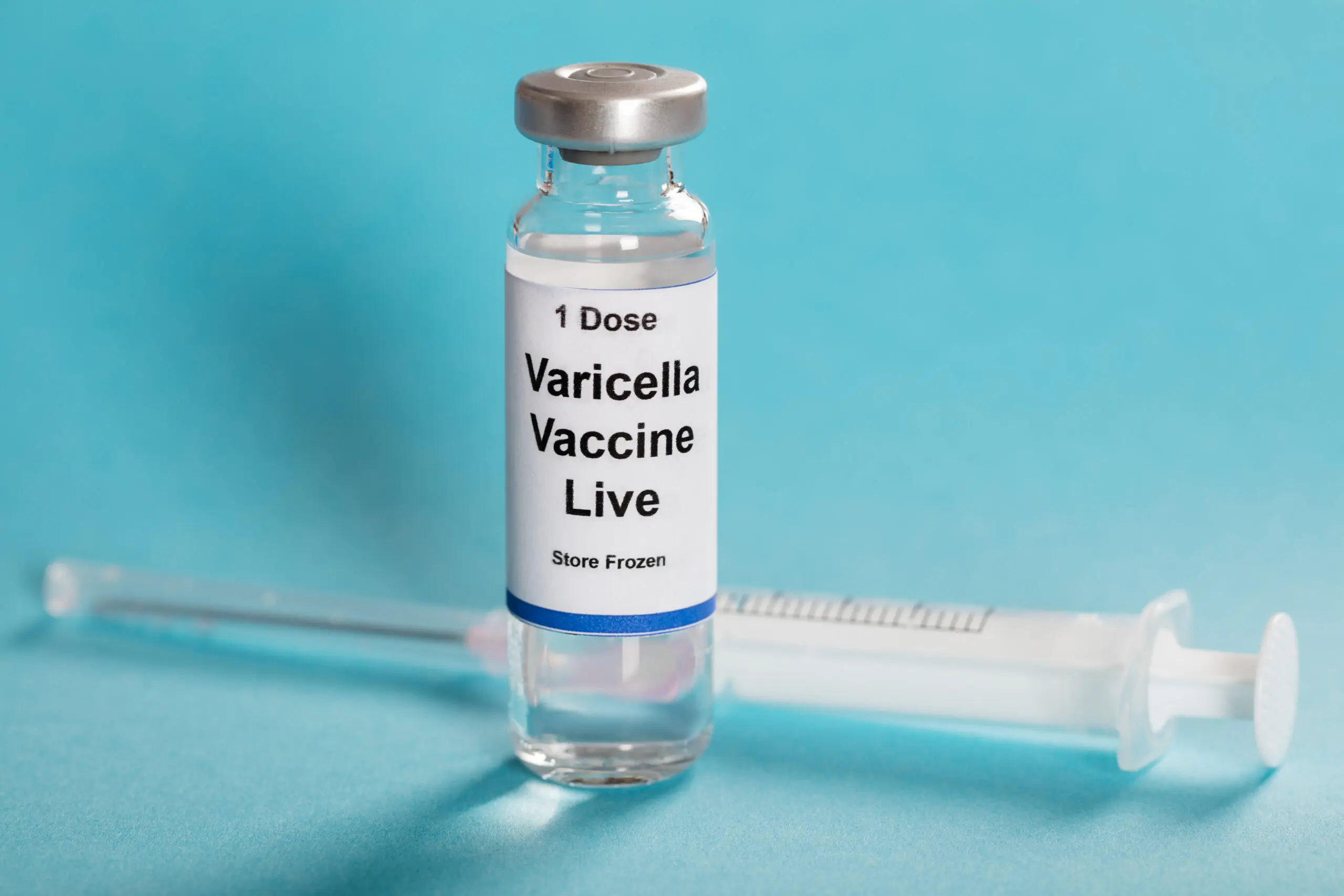
The varicella vaccine is a live attenuated vaccine, which means it contains a weakened form of the virus that still induces an immune response. The vaccination is typically administered in two doses: the first between 12-15 months of age, and the second between 4-6 years. Research demonstrates that the vaccine is approximately 90% effective at preventing chicken pox and significantly reduces the severity of the disease in those who may still contract it.
Recent Developments
In recent years, public health campaigns have highlighted the importance of maintaining high vaccination rates to prevent outbreaks. According to the Centers for Disease Control and Prevention (CDC), vaccination rates in some regions have dipped, leading to renewed concerns about the potential for resurgent outbreaks. A recent study indicated that areas with lower vaccination rates experienced a rise in chicken pox cases, prompting health officials to encourage parents to vaccinate their children promptly.
Conclusion
As we move forward, it is essential for parents, guardians, and healthcare providers to stay informed about the chicken pox vaccine and its role in protecting public health. Ensuring that children receive their vaccinations not only helps protect them from chicken pox, but also contributes to community immunity and the overall welfare of the population. With the encouragement of health authorities, maintaining strong vaccination rates is critical to preventing the resurgence of this once-common childhood illness.
