Introduction
All Souls Day, observed on November 2nd, is a poignant occasion in many cultures worldwide, dedicated to honouring and remembering the souls of the departed. This day plays a critical role in various religious traditions, especially within Christianity, where the belief in purgatory—an intermediate state of purification—underscores the observance.
The Significance of All Souls Day
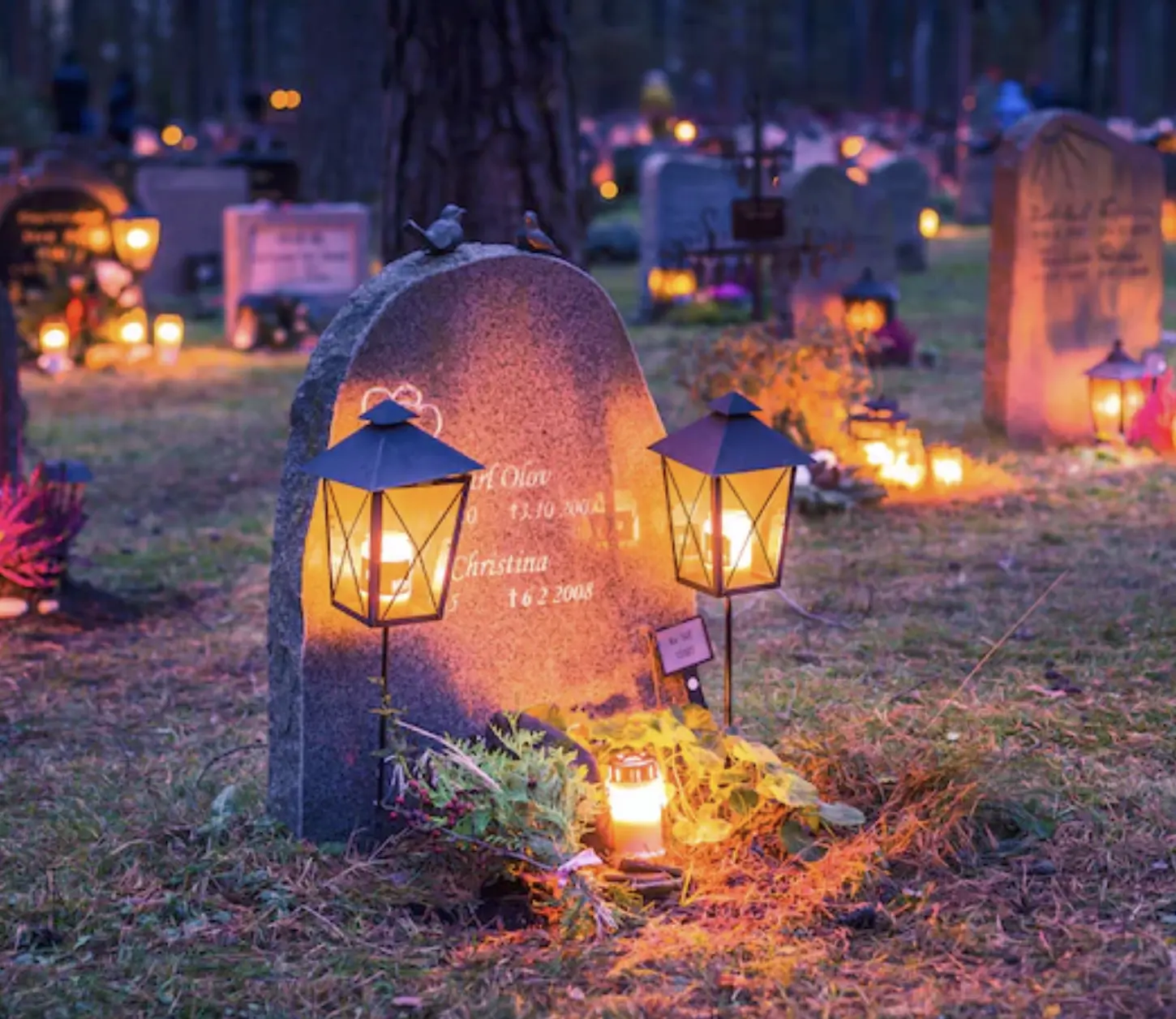
The historical origins of All Souls Day can be traced back to the early medieval period when Christians began praying for the souls in purgatory, as a reflection of their belief in the afterlife. It is particularly significant for Catholics, who view it as a time to intercede for the deceased through prayer, offering masses, and lighting candles to guide their loved ones on their spiritual journey.
Global Observances and Traditions
All Souls Day is marked by various customs across the globe. For instance, in Mexico, it coincides with the celebration of Día de los Muertos (Day of the Dead), where families create altars and offer food, flowers, and mementos to honour their ancestors. In countries like Italy and the Philippines, it is customary to visit cemeteries to clean graves, offer flowers, and pray for loved ones who have passed away.
In Europe, particularly in Poland and Spain, All Souls Day includes special masses and prayers in memory of the dead. Bonfires may also be lit as a symbol of purification, and in some regions, it’s customary to prepare special meals to share with family members as a gesture of remembrance.
Conclusion
All Souls Day serves as a vital reminder of the connections between the living and the deceased, inviting reflection on the transient nature of life. Its observance fosters a sense of community among families and cultures, as individuals come together to honour their collective heritage and the memory of their loved ones. As we continue to navigate modern life, the significance of All Souls Day remains, prompting societies to recognise the importance of remembrance and reflection within their cultural practices.
