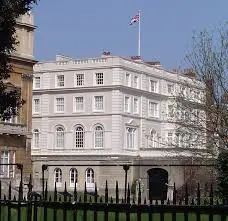
Introduction to Clarence House
Clarence House, situated in the heart of London, is renowned as one of the official residences of the British royal family. Its historical and architectural significance, combined with its contemporary role, makes it an essential topic of discussion, particularly in light of the recent developments within the monarchy. As the residence of King Charles III prior to his ascension to the throne, Clarence House has garnered additional attention, symbolising a bridge between tradition and modernity in the British monarchy.
History and Significance
Originally built between 1825 and 1827 under the design of architect Robert Smirke, Clarence House was initially intended as a home for the then Duke of Clarence, later King William IV. Over the years, this impressive building has hosted numerous royal receptions, state banquets, and important gatherings, solidifying its status within the UK’s royal heritage. In 1953, it became officially associated with Queen Elizabeth The Queen Mother, who lived there until her passing in 2002, further enriching its legacy.
Current Role of Clarence House
Today, Clarence House serves as the official residence of King Charles III and Camilla, the Queen Consort. Following the passing of Queen Elizabeth II in September 2022, Clarence House has emerged as a symbol of continuity amidst change in the British monarchy. The King often uses the residence for formal meetings and events, as well as for private family gatherings. Additionally, the house’s gardens, notably designed in a traditional English style, have opened to the public during certain times of the year, allowing citizens to engage with their royal heritage.
Significance for Readers
The ongoing developments surrounding Clarence House highlight the evolving role of the monarchy in British society. As King Charles III embraces his new responsibilities, understanding the significance of this royal residence not only provides insights into the traditions of the monarchy but also offers a glimpse into the future of royal representation in the UK. For those interested in royalty, architecture, and history, Clarence House remains a focal point in understanding the dynamics of British heritage and the royal family’s connection to the public.
Conclusion
Clarence House stands not just as a residence but as a crucial part of the narrative of the British monarchy. As it continues to play a pivotal role in monarchy’s modern chapter, Clarence House will likely remain symbolic of stability and continuity in a rapidly changing world. Whether through royal engagements or public interactions, the importance of Clarence House will resonate both now and in the future, contributing to the collective memory of the nation.
