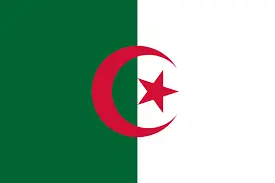
The Importance of Algeria
Algeria, located in North Africa, is the largest country on the continent and holds a significant place in both historical and geopolitical contexts. Its strategic location has made it a crossroads of various cultures and influences over centuries, contributing to its rich heritage. As Algeria continues to navigate contemporary challenges, understanding its past and culture is crucial for appreciating its current developments.
Cultural Heritage
Algeria boasts a diverse culture influenced by its indigenous Berber population and centuries of Arab, Ottoman, and French colonial rule. Its architecture, music, and culinary traditions reflect this extensive history. Cities like Algiers, the capital, are famous for their stunning Ottoman-era buildings, while the Sahara Desert offers a glimpse into the country’s nomadic traditions and breathtaking natural landscapes.
Current Developments
In recent weeks, Algeria has been in the spotlight due to its efforts to strengthen its economy and political landscape. The Algerian government has announced a series of reforms aimed at diversifying its economy, which has heavily relied on oil and gas exports. New investments in renewable energy and tourism are part of this strategy, as the country seeks to create a more sustainable and resilient future.
Additionally, the government is working to improve infrastructure, focusing on transportation and digital advancements to facilitate trade and improve quality of life for its citizens. These initiatives are expected to attract foreign investment and create job opportunities, addressing high unemployment rates that have persisted in the country.
Geopolitical Significance
Algeria’s position in North Africa gives it a pivotal role in regional politics. The country has been proactive in addressing security concerns related to terrorism, particularly in the Sahel region. Just last month, Algeria hosted regional leaders to discuss collaborative security measures, highlighting its commitment to stability.
Conclusion
As Algeria navigates through its current challenges and opportunities, the importance of understanding its cultural and historical context cannot be understated. With ambitious economic plans in place and a critical regional role, Algeria stands at a crossroads that could define its future. For observers and stakeholders interested in North Africa, keeping an eye on Algeria’s developments is essential, as they may significantly impact the region’s dynamics in the coming years.
