Introduction
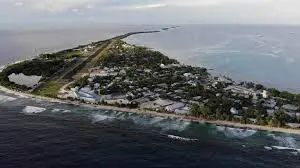
Tuvalu, an island nation in the central Pacific Ocean, is facing existential threats from climate change and rising sea levels. Comprised of just nine small islands, Tuvalu has become a symbol of the urgent need for global climate action. Its relevance amplifies as discussions around sustainability and environmental responsibility intensify among world leaders.
The Geopolitical Importance of Tuvalu
Tuvalu consists of about 11,000 residents spread across its islands, making it one of the least populous and smallest nations in the world. Despite its size, it holds significant geopolitical importance as a representative voice in climate talks, especially during the annual United Nations Climate Change Conferences. Tuvalu has continuously called for stronger action against climate change, advocating for more significant emissions reductions worldwide, as it faces a projected mean sea-level rise of up to 1.2 metres by 2100.
Current Events and Challenges
In recent months, Tuvalu has garnered increased attention as it prepares for the upcoming COP28 in Dubai, where leaders will negotiate climate commitments for the next decade. The Tuvaluan government has reiterated the urgency to act, with Prime Minister Kausea Natano stating, “The world must not forget the plight of nations like ours, who might not exist in the near future if the current trajectory continues.” This statement reflects the dire realities Tuvalu faces as saltwater intrusion threatens fresh water supplies and agricultural viability. Additionally, the government has invested in relocation strategies for its citizens, though permanent relocation remains a complex and contentious issue.
The Global Response
Internationally, the plight of Tuvalu has sparked a wave of support and fundraising efforts aimed at assisting climate adaptation projects in the region. Numerous countries, NGOs, and international organisations have pledged financial and technical support to help Tuvalu strengthen its infrastructure and develop water security measures. Moreover, the concept of ‘climate refugees’ has begun to gain traction in international dialogue, calling for policies that protect the rights of displaced individuals due to climate impacts.
Conclusion
As the climate crisis escalates, Tuvalu stands at the forefront of the narrative, exemplifying the urgent need for worldwide cooperation and decisive action. The outcome of the upcoming climate negotiations will significantly impact not only Tuvalu but also many other vulnerable nations facing similar challenges. For readers, understanding Tuvalu’s situation is essential; it underscores the global interconnectedness of climate issues and the need for sustainable practices that prioritise the preservation of our planet and its inhabitants. As the discussions continue at COP28, Tuvalu serves as a poignant reminder that the time to act is now.
