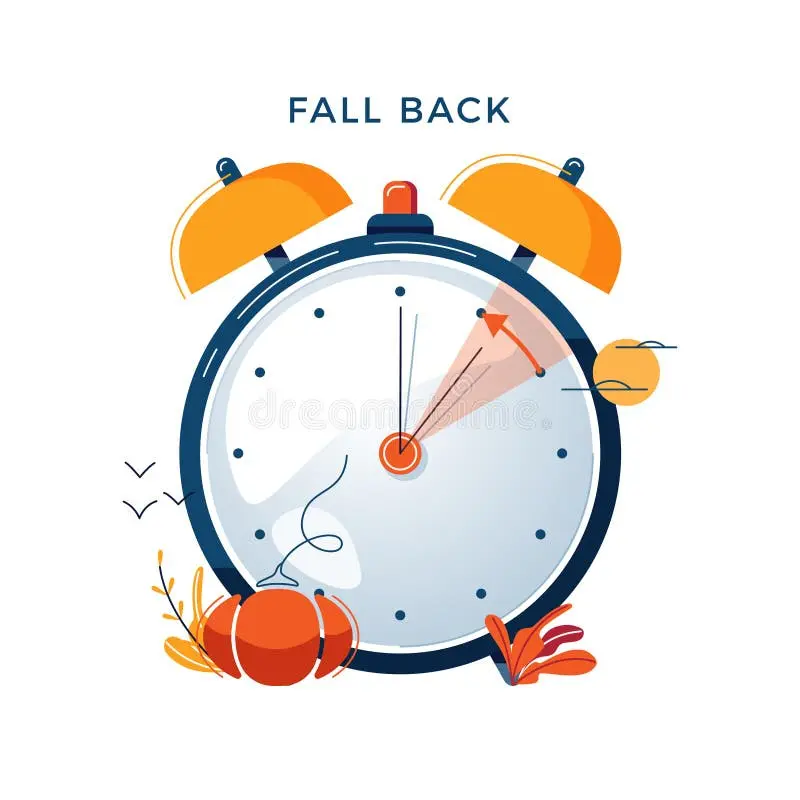
Introduction: The Significance of Clock Changes
The biannual change of clocks, commonly associated with Daylight Saving Time (DST), plays a crucial role in our society. Every year, millions of people in several countries adjust their timepieces to make the most of daylight hours during the warmer months. This practice, which occurs in spring and autumn, is not just a simple alteration of hour hands; it has profound effects on productivity, energy consumption, and even mental health.
The Mechanics of Clock Changes
In the United Kingdom, clocks are set forward by one hour at 1 AM on the last Sunday in March, signalling the start of British Summer Time (BST). Conversely, they are turned back one hour at 2 AM on the last Sunday in October, returning to Greenwich Mean Time (GMT). The idea, first proposed by Benjamin Franklin in 1784, was implemented during World War I and later adjusted in various forms over the decades, to better utilise natural light and conserve energy.
Current Discussions Surrounding Daylight Saving Time
Debate surrounding the necessity and effectiveness of DST continues into the 21st century. Advocates argue that longer evening daylight hours reduce the need for artificial lighting, resulting in lower energy costs and increased outdoor activities. Meanwhile, critics highlight potential negative health effects, such as sleep disturbances, and question the effectiveness of energy savings in today’s technology-driven world. Recent surveys indicate that a significant portion of the British public would prefer to abolish the clock changes altogether, favouring a more consistent time year-round.
Impact on Daily Life
The change in clocks affects various aspects of life. Schools adjust their schedules to maximise daylight for outdoor activities, families experience shifts in routine, and industries that rely on natural light, like agriculture, also alter their operations. Additionally, mental health professionals advise that the transition can impact sleep patterns and moods, leading to what is sometimes referred to as ‘spring forward fatigue’ following the March shift.
Conclusion: What Lies Ahead?
As discussions regarding the potential abolition of DST gain traction, it is important for policymakers and the public to weigh the historical significance against contemporary needs. With support from ongoing studies into the health and economic implications of clock changes, the future of how we manage time remains uncertain. However, for now, the changing of clocks serves as a biannual reminder of our relationship with time, light, and the rhythms of life.
