Introduction
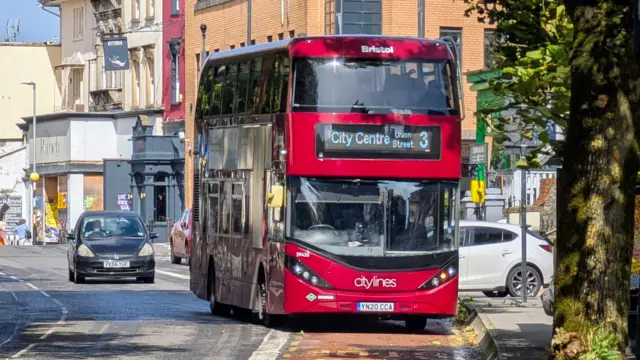
The Bristol bus strike, which began earlier this month, has sparked significant debate and concern among local commuters and residents. This strike highlights ongoing issues related to pay disputes and working conditions within the public transport sector, emphasizing the essential role that transportation plays in urban daily life. With many residents dependent on these services for their daily commutes, the implications of the strike extend beyond workers to affect the entire community.
Details of the Strike
The strike commenced on October 3, 2023, when members of the United Road Transport Union (URTU) voted overwhelmingly in favour of industrial action, responding to a proposed pay increase that was deemed insufficient by the drivers. URTU representatives argue that the cost of living has risen sharply, necessitating a more substantial salary adjustment to ensure that workers can meet their basic needs.
During the strike, only a limited number of buses have been operating, causing disruptions across various routes in and around Bristol. Many commuters have reported lengthy delays and overcrowded substitute services, which has led to frustration and dissatisfaction with the current state of public transportation in the region.
Public Response and Impacts
The public response to the strike has been mixed. While many commuters understand and empathise with the drivers’ demands for fair pay, others have expressed frustration over the disruption to their daily routines. The local authorities have been called upon to mediate negotiations between the bus operators and the union to seek a resolution. Bristol Mayor Marvin Rees has expressed his support for finding a solution that addresses both the workers’ concerns and the needs of the commuting public.
Looking Ahead
As negotiations continue, stakeholders are eager to see a resolution that will end the strike and restore full public transport services. Experts have highlighted the importance of addressing the underlying issues of worker satisfaction to prevent similar strikes in the future. The outcome of this dispute will likely set a precedent for transport-related negotiations across the UK, especially in light of increasing economic pressures experienced by transport workers.
Conclusion
The Bristol bus strike is a poignant reminder of the critical nature of equitable labour practices. As the situation unfolds, it serves as a lens into the broader discussion of worker rights and public service sustainability. For commuters, it is essential to stay informed about service updates and developments regarding the ongoing negotiations, as the actions taken in the coming days will define public transport dynamics in Bristol for the foreseeable future.
