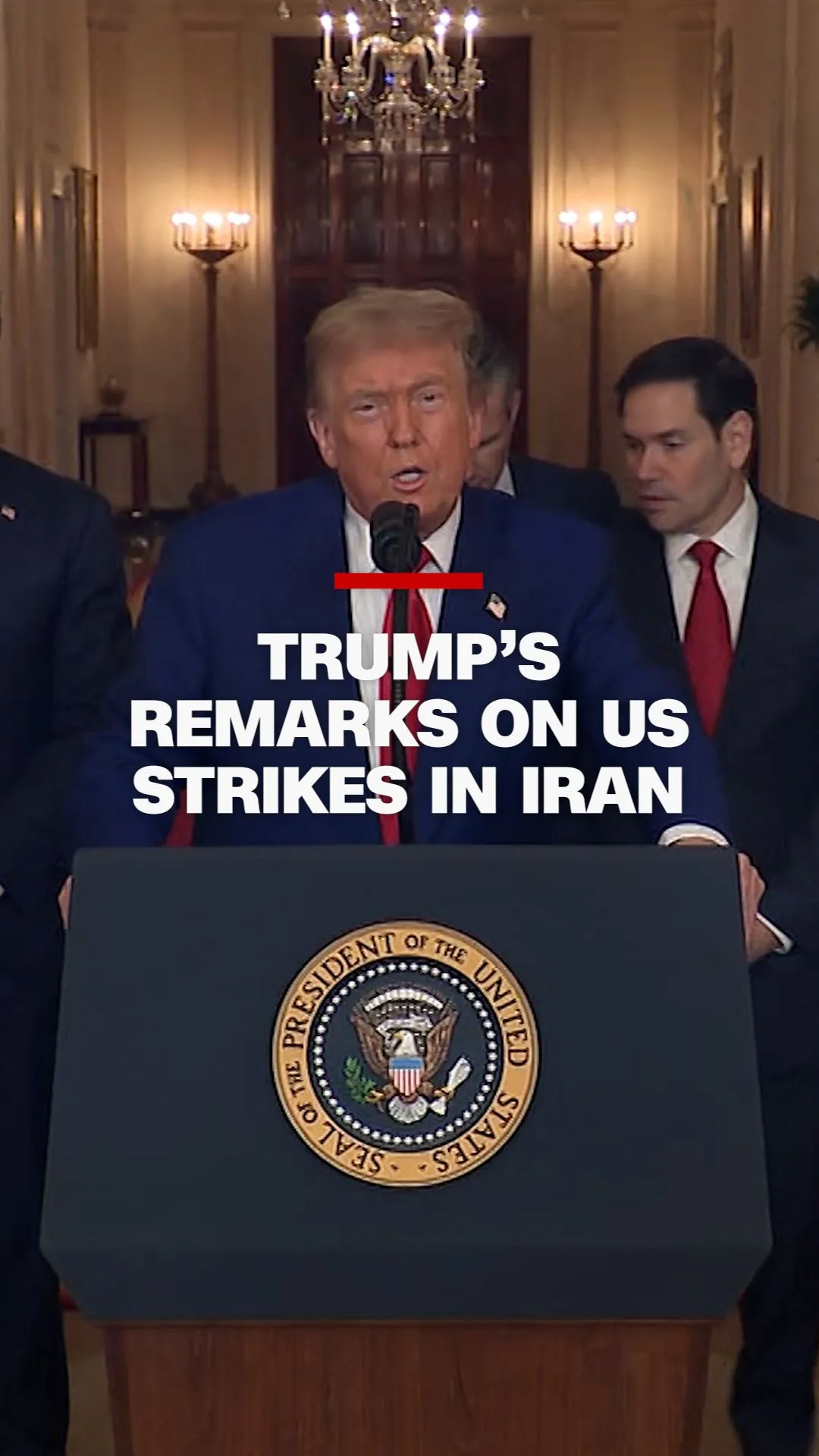
On May 2, 2026, Donald Trump described the U.S. Navy as acting “like pirates” amid escalating tensions with Iran in the Strait of Hormuz. This statement underscores a growing conflict that has seen significant military and economic repercussions.
Key facts:
- The U.S. has spent an estimated $25 billion on the war so far.
- The U.S. Navy is currently blockading Iranian ports.
- Trump rejected Iran’s latest proposal to end hostilities.
- The May 1 deadline for Congress to intervene in the war passed without action.
- The U.S. warned shipping companies against paying Iran for safe passage through the Strait of Hormuz.
That context matters because it highlights how Trump’s comments reflect a broader strategy to exert pressure on Iran, particularly concerning its nuclear ambitions. The conflict began when the U.S. and Israel launched strikes on Iran, claiming it was to prevent Tehran from developing nuclear weapons.
Trump’s rhetoric isn’t just bluster; it has real implications for U.S. troops stationed abroad and for international trade routes that are vital for global oil supplies. Approximately 25% of the world’s oil and natural gas trade passes through the Strait of Hormuz, making it a critical choke point.
But what does this mean for NATO allies? As tensions rise, countries like Germany may face pressure to take sides or support U.S. actions in the region. Yet, Trump has accused the EU of failing to comply with trade agreements, adding another layer of complexity to international relations.
Iran remains steadfast in its control over the Strait of Hormuz despite a ceasefire agreement—a situation that could escalate if diplomatic channels fail. As Trump stated, “They want to make a deal, I’m not satisfied with it, so we’ll see what happens.” This leaves many wondering how long this stalemate can last without further military escalation.
The situation remains fluid; officials have not confirmed how many more troops might be deployed or whether further sanctions will be imposed on Iranian interests. Meanwhile, both sides appear entrenched in their positions, suggesting that any resolution will require significant negotiation and compromise.
