Introduction
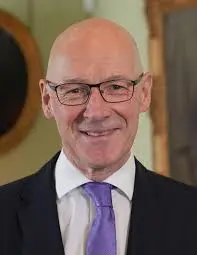
John Swinney has been a central figure in Scottish politics for over two decades, serving in various significant roles, most notably as the Deputy First Minister of Scotland and the Cabinet Secretary for Education and Skills. His influence and policies have had a profound impact on education reform and government strategies throughout the nation. Given the ongoing discussions about education, political governance, and Scotland’s future, an examination of Swinney’s initiatives and his recent announcements remains vital for understanding Scotland’s political landscape.
Key Roles and Responsibilities
In his capacity as Deputy First Minister, John Swinney has played an instrumental role in shaping the Scottish Government’s responses to a range of challenges, from the COVID-19 pandemic to educational disparities. His leadership has been characterised by a commitment to increasing funding for schools and improving educational outcomes across the country. Notably, Swinney has also been involved in addressing the educational impacts of the pandemic, including the implementation of catch-up programmes for students.
Recently, Swinney announced plans to enhance teacher support and training, aiming to ensure that educators are equipped with the necessary skills to deal with modern educational challenges. Critics and supporters alike have scrutinised these moves, with discussions about balancing funding among various educational needs at the forefront.
Recent Developments
As of early October 2023, John’s leadership has faced scrutiny, especially in light of the Scottish National Party’s (SNP) changes and the fluctuating public opinion regarding the party’s direction. His position has been tested by debates surrounding the effectiveness of educational reform and the allocation of resources amidst increasing demands. In a recent survey conducted by the Scottish Youth Parliament, there was a visible demand for more comprehensive mental health resources in schools, a topic Swinney has promised to address in upcoming budget discussions.
Furthermore, there has been speculation regarding possible shifts in Swinney’s function within the Scottish Government, with discussions of future elections looming large. His continued influence remains significant as the SNP navigates internal and external pressures.
Conclusion
As Scotland prepares for an evolving political climate, John Swinney’s actions and policies will undeniably continue to influence the educational framework of the nation. The outcomes of his proposals could be pivotal, determining not only the immediate landscape of Scottish education but also the future of the SNP under rising political expectations. Observers and constituents alike will be watching closely as to how Swinney addresses these challenges and how it shapes the governance of Scotland moving forward. With an eye on the future, his role in Scottish politics is anticipated to remain significant in the months ahead.
