Introduction
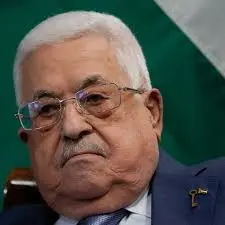
Mahmoud Abbas, the President of the Palestinian Authority, plays a crucial role in Middle Eastern politics, particularly concerning the Israeli-Palestinian conflict. His leadership has been characterised by political struggles, both internally and externally, which continue to shape the future of Palestinian self-determination and regional peace initiatives.
Current Political Landscape
As of October 2023, Mahmoud Abbas faces significant challenges in governance as the Palestinian Authority (PA) contends with internal divisions, particularly between his Fatah party and the rival Hamas faction. The ongoing instability in Gaza and West Bank relations hampers the PA’s ability to effectively represent Palestinian interests. Moreover, Abbas’s current term has reached over 18 years, raising concerns over democratic processes and legitimacy.
International Relations and Diplomacy
Internationally, Abbas continues to seek recognition for Palestinian statehood, with mixed success. Despite gaining non-member observer state status at the United Nations in 2012, diplomatic relations with Israel have been fraught with tension. Recent events, such as the ongoing settlement expansions in the West Bank and violence in and around Jerusalem, have escalated diplomatic challenges. Abbas has repeatedly called for renewed peace talks, but mutual distrust complicates efforts to establish a coherent negotiation framework.
Domestic Issues and Public Sentiment
Domestically, public opinion on Abbas is increasingly critical, especially among younger Palestinians who express frustration with the lack of progress towards sovereignty and economic stability. Protests have emerged in response to perceived authoritarianism and corruption within the PA. Abbas’s administration has been pressured to initiate reforms and engage more effectively with grassroots sentiments.
Conclusion
The future of Mahmoud Abbas’s leadership remains uncertain amidst multiple challenges. Observers note that for Abbas to solidify his legacy, he must navigate internal divisions, address public grievances, and rejuvenate diplomatic efforts towards achieving a lasting peace with Israel. The next steps he takes could significantly impact not only his political future but also the broader landscape of Palestinian-Israeli relations and regional stability in the Middle East. As 2024 approaches, the international community will be closely monitoring Abbas’s actions and potential shifts in Palestinian governance.
