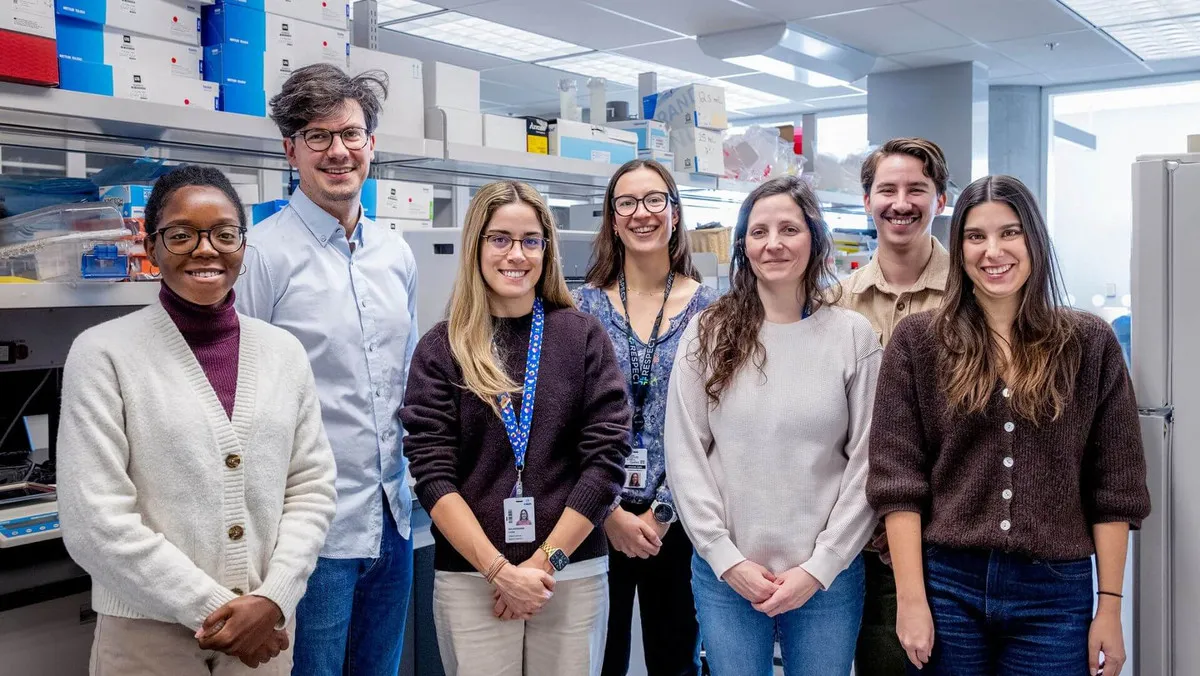
Tuberculosis (TB) is making a troubling comeback in Canada, particularly in Montreal, raising the question: what is the impact of Simon Grandjean Lapierre’s research on this resurgence? The answer lies in his extensive work at the University de Montréal and the CHUM Research Centre, where he leads a translational research program focused on tuberculosis control.
Since the COVID-19 pandemic, there has been a notable increase in tuberculosis cases across the country. “We’ve seen a significant increase in cases on the Island of Montreal since 2023,” says Lapierre, emphasizing the urgency of the situation. Historically, Canada experienced a steady decline in TB incidence starting in the 1950s, but recent trends indicate a reversal.
At the CHUM, between 20 and 40 tuberculosis cases are diagnosed each year, a figure that has been on the rise. The resurgence is attributed to various factors, including population mobility, precarious living conditions, and inadequate screening. Lapierre describes TB as a “re-emerging disease,” highlighting the need for renewed public health efforts.
Lapierre’s research is not limited to Canada; it also extends to Madagascar, where his team is involved in a three-year study with 46,000 participants aimed at understanding TB dynamics in different contexts. This international perspective is crucial, as it informs strategies that could be adapted for use in Canada.
One of the key areas of focus for Lapierre’s team is the development of new diagnostic tools to identify antibiotic resistance in tuberculosis bacteria. This is particularly important as antibiotic resistance poses a significant challenge in controlling the disease. “If we don’t take appropriate public health actions, everyone remains at risk,” he warns, underscoring the importance of proactive measures.
As the situation evolves, public health authorities and researchers like Lapierre are working tirelessly to address the challenges posed by this resurgence. However, details remain unconfirmed regarding the full extent of the outbreak and the effectiveness of current interventions. The coming months will be critical in determining the trajectory of tuberculosis in Canada and the impact of ongoing research efforts.
