Introduction
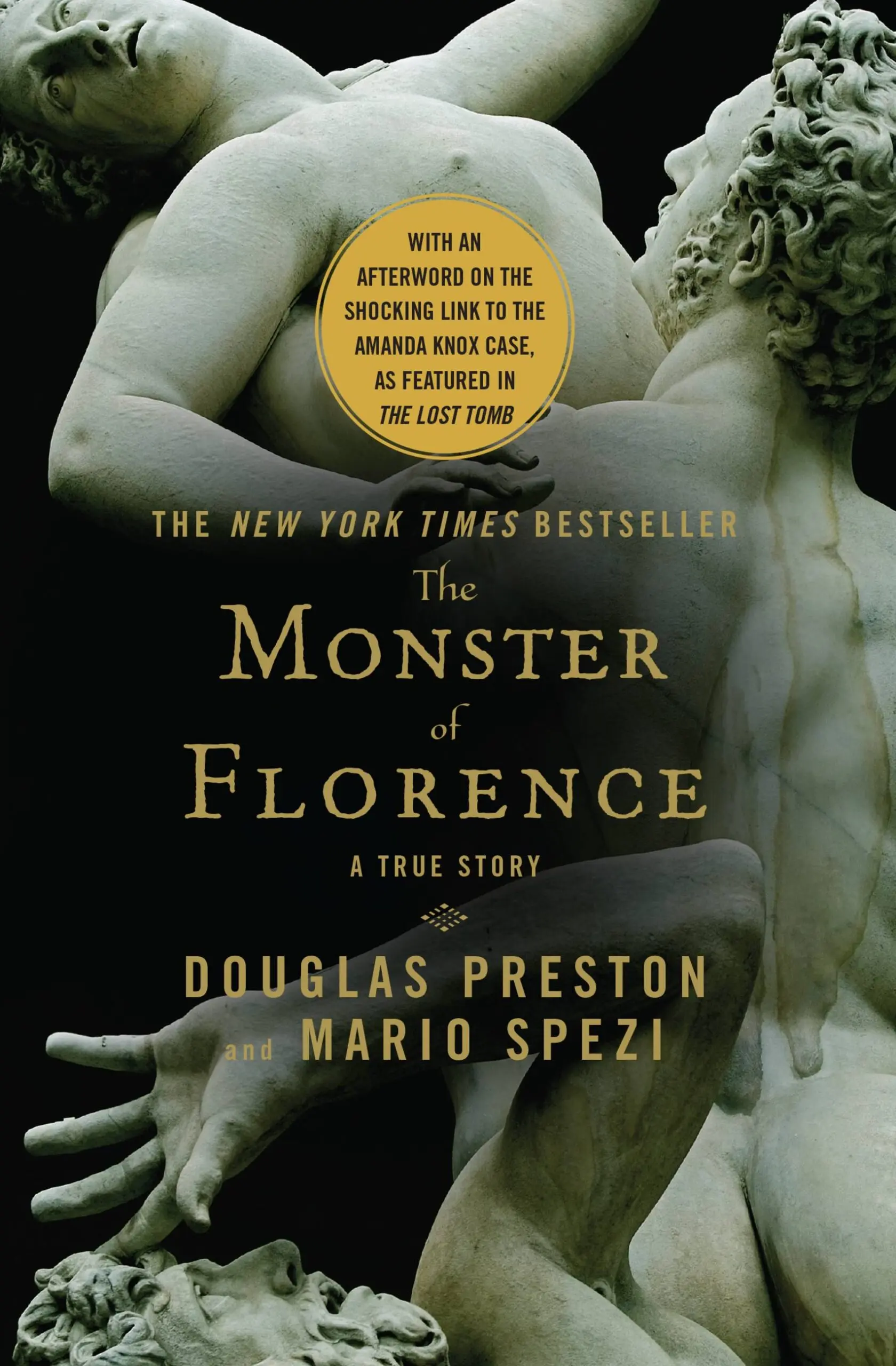
The Monster of Florence is a moniker that evokes fear and fascination, representing a series of heinous crimes that plagued the Italian countryside between 1968 and 1985. This unresolved case has continued to haunt the collective memory of Italy, shedding light on the complex nature of criminal investigations and the impact of media sensationalism. The ongoing intrigue surrounding the Monster of Florence has not only led to numerous theories and investigations but also highlights the dark underbelly of crime in seemingly idyllic settings.
The Crimes
The killings attributed to the Monster of Florence began in 1968 when a young couple was brutally murdered in their parked car. Over the next few years, the killer struck several times, targeting couples in romantic settings. The murders were characterised by their grisly nature, often involving extreme violence and sexual assault. A total of 16 victims were confirmed, with many of them linked by their location. The killer’s modus operandi, as well as the chilling similarities among the crime scenes, contributed to the widespread panic across Tuscany.
Investigation and Theory
Investigations into the Monster of Florence were hampered by a lack of concrete evidence, leading to a range of theories. Many suspects, including a dentist and even a prominent figure in the arts, have been implicated yet exonerated over the years. The case caught the attention of the media and public, which contributed to the difficulty of the investigation. Theories surrounding the killings have evolved, from suggestions of a lone wolf killer to speculations of a serial killer network, but no definitive answers have ever surfaced.
Recent Developments
Interest in the Monster of Florence has not waned, with numerous books, documentaries, and films exploring the enigma. In 2021, Italian authorities reopened the case, hoping advances in forensic science could provide new leads. The ongoing efforts reflect the persistence of law enforcement in pursuing justice for the victims and their families, even decades later.
Conclusion
The story of the Monster of Florence serves as both a cautionary tale and a reminder of our society’s ongoing struggle with crime. The dark fascination with serial killings speaks to broader themes of fear and safety, as well as the human instinct to uncover the truth. For readers, the legacy of the Monster of Florence poses questions about justice, mental health, and the impact of societal pressures on individuals. As new investigative technologies continue to evolve, there is also the hope that this haunting chapter in Italy’s history may finally come to a close.
