Introduction
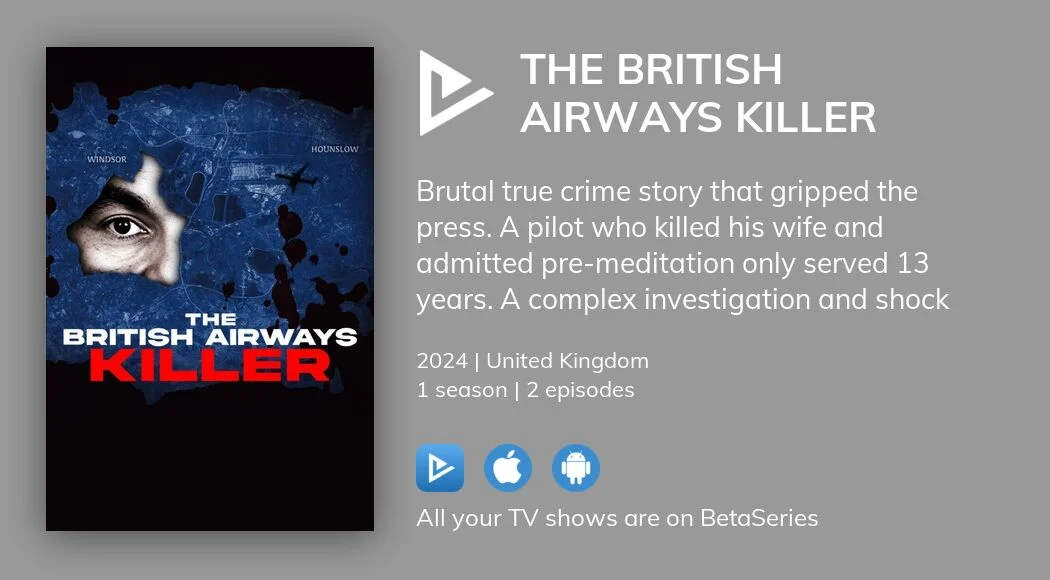
The term ‘British Airways Killer’ refers to a harrowing incident that shook the aviation sector in the 1980s, raising critical questions about safety protocols and the vulnerabilities within airline security. This incident, involving the tragic murder of a British Airways employee, has since prompted significant changes in policies to better protect airline workers and passengers alike.
The Incident and Investigation
In 1986, the aviation community was rocked by the murder of a British Airways cabin crew member who was found dead in a secluded area near Heathrow Airport. This case quickly garnered widespread media attention, primarily due to its shocking nature and the fact that it occurred within the shadow of one of the world’s busiest airports.
The investigation that followed involved law enforcement agencies, both local and international, and spanned several years. Initially, police struggled to find leads as the case appeared to be shrouded in mystery. However, forensic evidence and witness testimonies eventually pointed to a suspect, leading to crucial breakthroughs that would ultimately solve the case.
Impact on Aviation Security
The chilling nature of this crime served as a wake-up call, prompting British Airways and other airlines to reevaluate their security protocols. Stringent measures were implemented to ensure the safety of employees working in and around airports. New training programs were established focusing on personal safety, threat awareness, and emergency response strategies.
Additionally, the aviation industry as a whole began to adopt advanced surveillance technologies and tighter regulations on access to restricted airport areas. These changes aimed not only to protect staff but also to bolster the safety of passengers boarding flights.
Conclusion
The British Airways Killer case serves as a grim reminder of the potential dangers lurking within even the most regulated industries. While the incident led to necessary reforms that significantly improved safety protocols, it also highlighted the importance of ongoing vigilance when it comes to workplace security in aviation. Moving forward, it is crucial for airlines to continually review and upgrade their safety measures to prevent future tragedies and to ensure that both their crew members and passengers feel secure while travelling.
