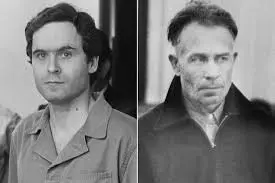
The Importance of Criminal Profiling
The world of criminal investigation is often shrouded in mysteries, especially when it concerns infamous serial killers like Ted Bundy. Understanding the techniques used in criminal profiling can provide valuable insights into how law enforcement has evolved over time. One of the historical figures linked to these developments is Ed Gein, known for his horrific crimes in the 1950s. While Gein was not directly involved in Bundy’s capture, his case significantly contributed to the understanding of psychopathy and crime.
Ed Gein: A Brief Overview
Ed Gein, often dubbed the “Plainfield Ghoul,” was arrested in 1957 for the murders of two women. His grotesque activities, including body snatching and making garments from human skin, shocked the public and led to widespread media attention. Gein’s case raised questions about the psychology of killers, opening doors for further studies into the minds of such individuals. Following his apprehension, he was deemed mentally ill and spent the rest of his life in psychiatric institutions.
Ted Bundy’s Crimes and Capture
Ted Bundy, on the other hand, terrorised multiple states in the 1970s and has become one of America’s most infamous serial killers. His charm and good looks masked a deeply troubled psyche, leading to his ability to lure victims. Bundy’s eventual capture in 1978 was the result of multiple law enforcement agencies working together to connect various missing person reports and witness testimonies.
The Link Between Gein and Bundy
While there is no direct connection between Ed Gein and Ted Bundy in terms of collaboration, Gein’s case influenced the strategies police used in subsequent investigations. The psychological insights gained from studying Gein’s profile helped develop criminal profiling techniques that ultimately assisted in identifying serial killers like Bundy. Experts such as former FBI agent John Douglas have mentioned that Gein’s peculiar behaviours set precedents that later detectives analysed when profiling Bundy.
Conclusion: The Significance of Case Studies
In conclusion, while Ed Gein did not help detectives in the direct sense of apprehending Ted Bundy, the implications of his case shaped the landscape of criminal profiling. Today’s forensic techniques owe much to the historical context provided by earlier criminals. Understanding the link between different murderers allows law enforcement to piece together psychological profiles that can lead to identifying and capturing psychopaths long before they strike again. For readers, this highlights the importance of historical criminal cases in modern investigative practices and the ongoing evolution of crime detection methods.
