Introduction
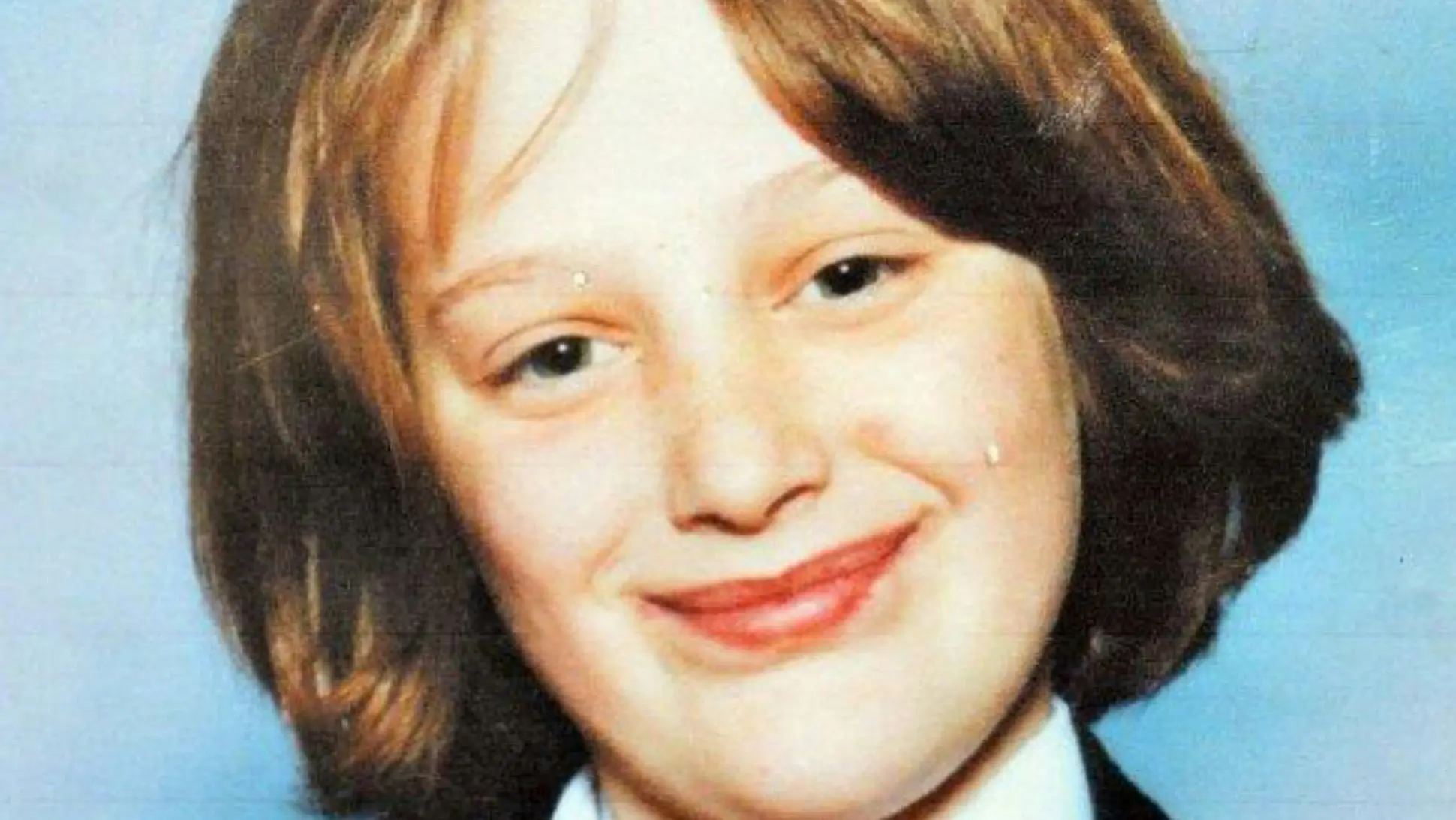
The case of Charlene Downes, a 14-year-old girl who disappeared in Blackpool in 2003, has captivated the nation and highlighted significant issues surrounding child safety, community responsibility, and the criminal justice system. With renewed interest in the case as recent technological advancements have brought new hope for resolution, it remains a pivotal moment in the discussions of crime and justice in the UK.
The Disappearance
Charlene was last seen on 1 April 2003, leaving her home in Blackpool. Her family reported her missing shortly thereafter, sparking a massive search operation that captured the attention of the media and community. Despite extensive investigations and several leads, her whereabouts remain unknown. The investigation faced significant challenges, particularly regarding the reliability of witness accounts and the context of the local community.
Legal Proceedings
In 2007, a man named Iftikhar Ahmed was accused in the case but was later acquitted. The failed prosecution raised concerns about the justice system’s ability to provide closure for families like that of Charlene’s. The case was returned to the public eye in 2017 when new forensic techniques suggested possible forensic evidence could still be recovered, prompting advocates and law enforcement to revisit the case.
The Public’s Response
The disappearance of Charlene Downes has had a lasting impact, influencing community discussions regarding the safety of youth and interventions against crime. Campaigns for enhanced safeguarding measures have emerged, attempting to ensure that such cases are handled with the utmost sensitivity and effectiveness. In 2019, her mother, Denise, spoke out persistently for more resources and attention dedicated to finding her daughter, reminding society of the importance of not letting cases like Charlene’s fall into obscurity.
Conclusion
Charlene Downes’s case serves as a stark reminder of the vulnerabilities faced by young people and the systemic shortcomings within the criminal justice system. As forensic technology advances, there is hope that new leads might emerge in this cold case, bringing closure to the family and highlighting the necessity for continued vigilance to protect children within communities. For readers, Charlene’s story is not just a headline; it is a call to action to ensure that society does not forget its responsibility to the younger generations.
