Introduction
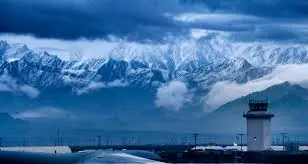
Bagram Air Base, located in Afghanistan, has been a pivotal military installation over the last two decades. Initially used by Soviet forces, it has since been transformed into a key base for United States and allied operations in the region. The base’s strategic location makes it a critical point for military logistics, counter-terrorism operations, and support for local governance.
Current Situation and Events
In August 2021, the United States completed its withdrawal from Afghanistan, effectively marking the end of a significant military presence that began in 2001. The fall of Bagram to the Taliban raised discussions about the importance of the base in future operations conducted by the United States and NATO allies. The base served as a crucial hub for air operations, enabling rapid deployment of personnel and resources across Afghanistan.
Despite the withdrawal, Bagram remains a point of interest for military strategy analysts. The Taliban’s capture of the base presented an opportunity for them to reinforce their military capabilities and control over the region. As the international community closely monitors developments, concerns persist regarding the potential resurgence of extremist groups in Afghanistan that could use Bagram’s infrastructure.
Future Implications and Conclusion
The fate of Bagram Air Base will impact regional stability and security dynamics in Central Asia. With its strategic location, the possibility of a future military presence or cooperation with regional allies cannot be ruled out. Analysts predict that as tensions rise in the Indo-Pacific and ongoing issues with Russia, the United States may reassess its strategic footprint in Central Asia.
In conclusion, Bagram Air Base will continue to serve as an important focal point in discussions about military strategy, counter-terrorism efforts, and geopolitical balance in Afghanistan and neighbouring regions. The base’s legacy endures even post-withdrawal, sparking debates about its future role in global security operations.
