Importance of the Issue
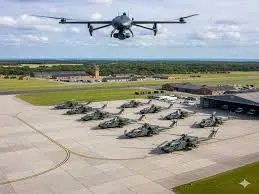
In recent months, Denmark has been facing a surge in reported drone sightings near military bases, sparking significant concerns regarding national security and the potential impact on military operations. As drones have become more accessible and their capabilities have expanded, the implications of unmonitored aerial activity near sensitive locations have heightened discussions about safety and security protocols.
Recent Events
Reports from the Danish Defence Ministry indicate that drone sightings have been documented around several key military installations, including the Aalborg Air Base and the Varde Barracks. The Minister of Defence, Jacob Ellemann-Jensen, noted that these drone activities, often attributed to hobbyists or unregistered operators, could potentially compromise military training and surveillance efforts.
According to the Danish Police, there have been at least five confirmed instances in the past month where unidentified drones were seen flying in restricted airspace without prior approval. This has raised alarms not only within the military but also among local law enforcement officials, who are concerned about the implications of these aerial observations.
Potential Threats
The escalation of drone sightings has led to thorough investigations to determine whether these incidents are benign or if they represent an organised effort to gather intelligence on military operations. Experts are advising that any unregulated drone activity poses a potential threat, particularly as tensions rise in regions near Denmark.
Danish authorities are now working on future regulations to enhance the control over drone operations, especially around strategic military sites. The military’s approach now includes increased monitoring and active engagement with drone operators to establish clearer guidelines for safely flying in proximity to military bases.
Conclusion and Future Implications
As Denmark faces these mounting incidents of drone sightings at military bases, the need for robust regulatory frameworks becomes even more critical. Authorities are calling for the public’s cooperation in reporting suspicious drone activity and are fostering awareness of the responsibilities associated with operating drones. Moving forward, the Danish government is expected to enhance its surveillance operations and advocate for stricter laws governing the recreational use of drones to protect its national security interests effectively.
These developments underscore the ongoing complexities surrounding drone technology and its implications for military safety and operations in Denmark.
