Introduction
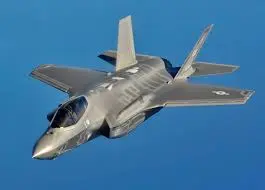
The F-35 Lightning II, a fifth-generation stealth multirole fighter aircraft, represents a significant advancement in military aviation technology. Developed by Lockheed Martin, this state-of-the-art jet is pivotal for NATO and allied forces, particularly in the sphere of modern warfare where aerial superiority is crucial. With its sophisticated sensors and ability to operate both in air-to-air and air-to-ground missions, the F-35 is increasingly becoming an essential component of military strategies worldwide.
Recent Developments
As of late 2023, the F-35 programme has achieved substantial milestones. Notably, the UK recently announced its plans to expand its fleet by acquiring additional F-35B fighter jets, with the intention of bolstering its maritime capabilities. This strategic move comes amid ongoing tensions in Eastern Europe and heightened focus on the Indo-Pacific region, where air dominance is more critical than ever.
Moreover, the United States Air Force has been actively enhancing the F-35’s operational capabilities. The latest upgrades include improved software that enhances its targeting systems, enabling the aircraft to execute precision strikes while minimising collateral damage. The F-35’s ability to connect and share intelligence in real time makes it invaluable in joint operations, integrating seamlessly with other platforms like the C-2 and the KC-46 aerial refuelling aircraft.
Challenges Ahead
However, the F-35 programme has not been without its challenges. Rising costs and delays have plagued the project since its inception. Critics argue that the soaring expenses associated with production and maintenance could undermine the aircraft’s overall cost-effectiveness. Additionally, a recent report highlighted concerns regarding the jet’s performance in extreme weather conditions, raising questions about its operational reliability in various environments.
Conclusion
The F-35 Lightning II is set to play a crucial role in future aerial combat and military operations. Its advanced technology enhances situational awareness and combat efficacy for allied forces. Nevertheless, it faces significant challenges that must be addressed to ensure its viability and effectiveness. As countries continue to invest in advanced military technology, the implications of the F-35 programme extend beyond aircraft; they signify the shift in global military strategies aimed at maintaining air dominance in increasingly complex geopolitical landscapes. For military professionals and enthusiasts alike, the evolution of the F-35 serves as a case study in the intersection of technology and warfare.
