Introduction
The role of the President of the United States is one of immense importance, not only in shaping national policies but also in defining the nation’s identity and values. As the head of state and government, US Presidents serve as key leaders during times of both crisis and prosperity. Understanding the influence and decisions of these leaders provides insight into the history and future of the United States.
Historical Context
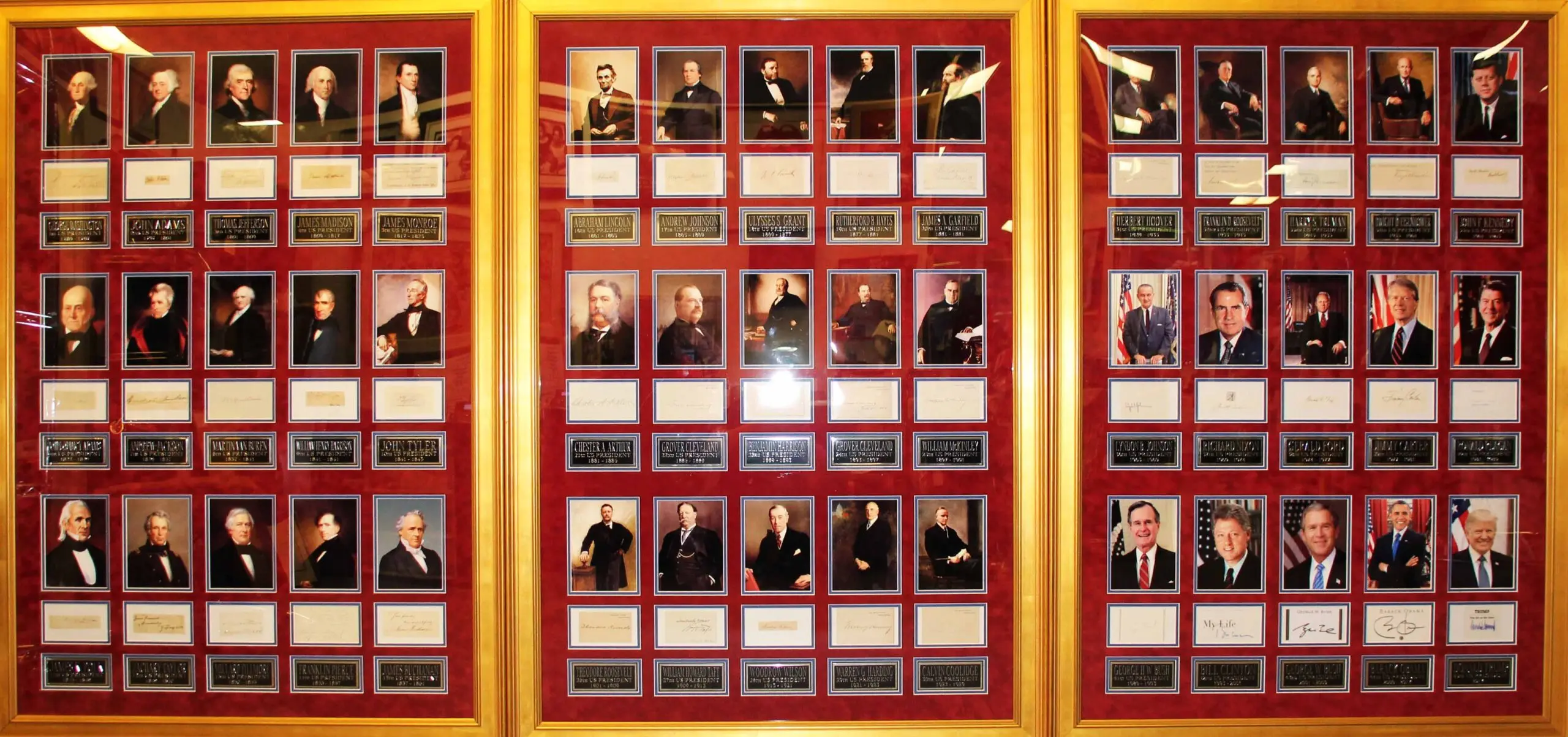
Since the inception of the United States in 1789, there have been 46 presidencies. Each president, from George Washington to Joe Biden, has faced unique challenges and opportunities that reflect the changing dynamics of American society. For instance, during the Great Depression, Franklin D. Roosevelt implemented unprecedented economic reforms, while during the Civil Rights Movement, presidents like Lyndon B. Johnson championed landmark legislation to combat racial inequality.
Recent Developments
In recent years, the presidency has been characterised by fluctuating approval ratings and increasingly partisan politics. The election of Donald Trump brought forth a significant shift in political discourse, prompting widespread debate on issues such as immigration, trade, and national security. Subsequently, Joe Biden’s presidency has focused on issues such as climate change, public health, and social equity, which continue to be a source of division and discussion among the American electorate.
The Global Influence of US Presidents
US Presidents have not only affected domestic policy but have also played pivotal roles in international relations. From the Cold War strategies of presidents like John F. Kennedy and Ronald Reagan to Barack Obama’s diplomatic efforts with Iran and Cuba, the decisions made in the Oval Office resonate globally. Current geopolitical tensions with nations such as China and Russia necessitate astute leadership, making the role of the president even more critical.
Conclusion
The legacy of US Presidents is multifaceted, often marked by both achievements and controversies. As history continues to unfold, the importance of leadership in the Oval Office remains paramount. Understanding the past actions of US Presidents can provide context for current events and potential future developments. With the upcoming presidential elections, the choices made by voters will significantly impact the political landscape and governance of the United States for years to come.
