Introduction
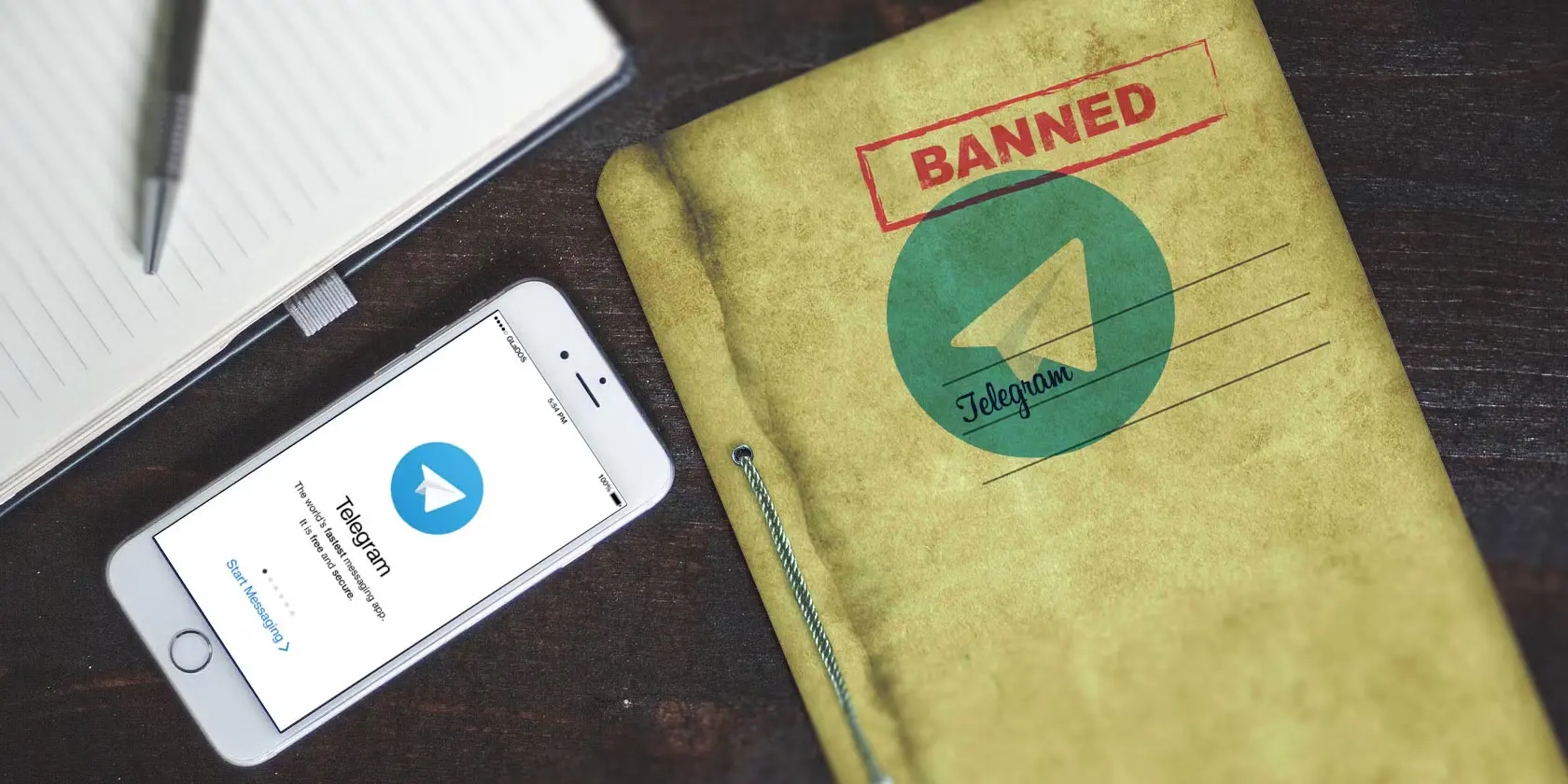
The recent decision by the Russian government to ban Telegram has caused significant concern among citizens and communication experts alike. With millions of users in Russia relying on this app for both everyday communication and access to news, the implications of this ban are profound. This action raises questions about freedom of expression, state control, and the future of digital communication in the country.
Details of the Ban
The ban on Telegram was implemented on [insert exact date here], amidst ongoing tensions between the Kremlin and technology companies that resist government oversight. Russian authorities claim that the app is often used to disseminate extremist content and that it bypasses state surveillance systems designed to combat terrorism. The government’s push to control digital platforms has escalated significantly since early 2022, with increased pressure on companies to share users’ encrypted data with security services.
Telegram, founded by Pavel Durov, has become a crucial outlet for independent journalism and political activism, especially during anti-government protests. The ban is part of a broader effort by the Russian regime to suppress dissent and limit access to information that contradicts the official narrative. While Telegram has stated that it will comply with local laws, the company has also demonstrated resistance to censorship, which likely contributed to the ban.
Public Reaction and Consequences
Public response to the ban has been mixed; many users have resorted to using VPNs to bypass the restriction, while others have voiced their concerns over governmental overreach. Some advocates argue that this move could drive users towards less secure messaging platforms, potentially compromising their privacy and safety.
Experts warn that further restrictions could follow as the government seeks to tighten its grip on information and communication channels. The possibility of increased regulation of other social media platforms like Instagram and Facebook raises alarms not only for freedom of speech but also for the potential isolation of Russian citizens from the global digital landscape.
Conclusion
The ban on Telegram exemplifies a significant moment in Russia’s evolving relationship with technology and digital communication. As citizens adapt to these changes, the broader implications for societal engagement and freedom of expression remain to be seen. The future landscape of communication in Russia may hinge on the government’s next steps, and whether it chooses to double down on censorship or to allow space for more open discourse.
