Introduction
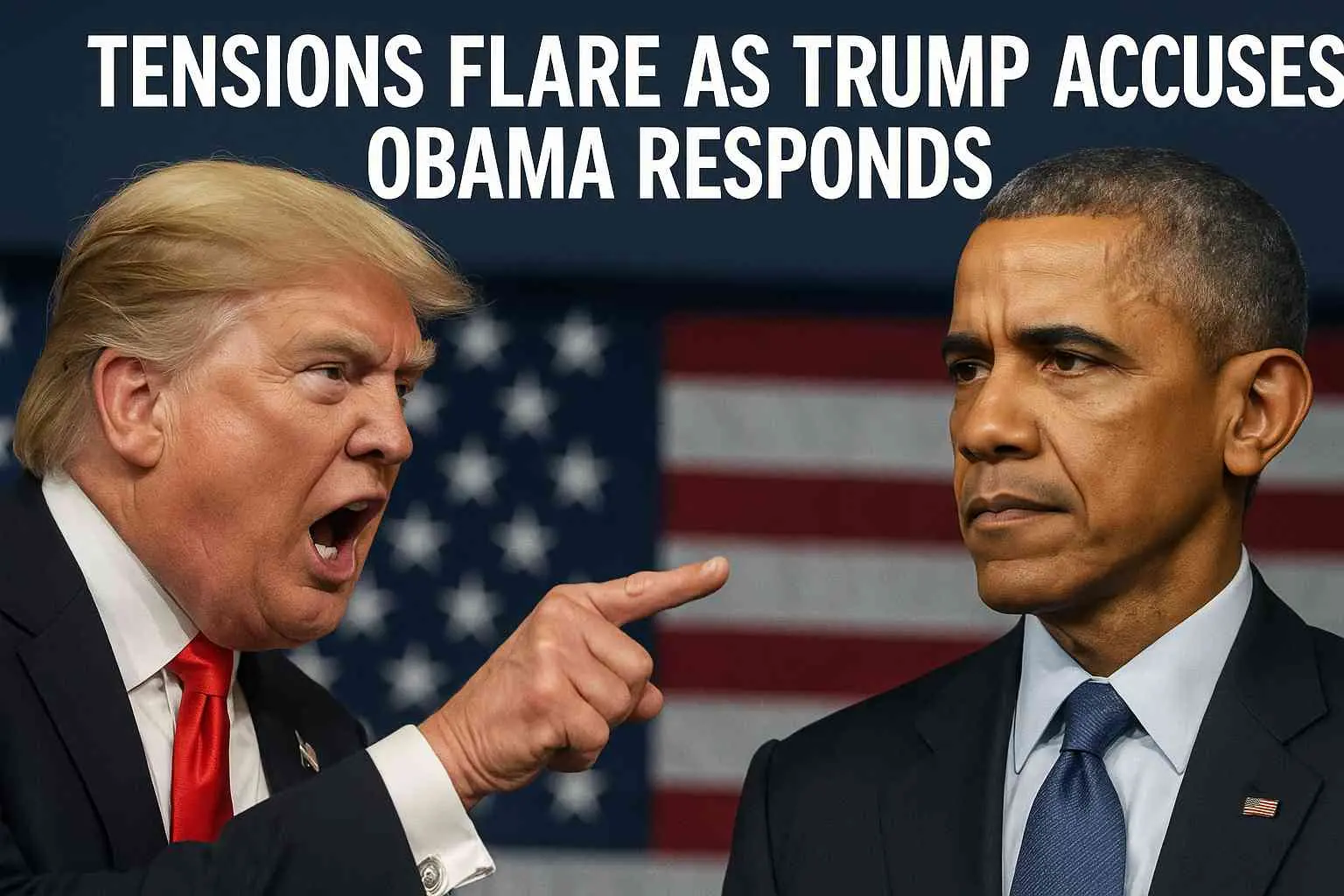
The political legacies of Donald Trump and Barack Obama continue to shape the landscape of American politics. With contrasting approaches to governance, policies, and public discourse, understanding the implications of their presidencies is essential for grasping the current political climate in the United States. This spotlight on both leaders is especially relevant as the 2024 election cycle approaches, with voters reflecting on the past decisions that may influence their choices for the future.
Trump’s Presidency: A Divisive Era
Donald Trump served as the 45th President of the United States from January 2017 to January 2021. His presidency was marked by policies aimed at deregulation, tax cuts, and a staunch focus on nationalism and immigration reform. Trump’s approach to foreign relations was characterised by an ‘America First’ philosophy, which included withdrawing from international agreements like the Paris Climate Accord and the Iran nuclear deal. His administration faced substantial controversy and criticism, including two impeachments, with significant actions advocating for direct communication through social media transforming political discourse.
Obama’s Legacy: Hope and Change
In contrast, Barack Obama, the 44th President, held office from January 2009 to January 2017, and is often hailed as a catalyst for progressive changes in American policy. His administration is remembered for the Affordable Care Act (ACA), which aimed to expand healthcare access, as well as for advocating for diversity and inclusion. Obama’s foreign policy saw the pivot to Asia and efforts in diplomacy that culminated in the Iran nuclear agreement. While celebrated for his rhetoric of hope and change, critics argue that he fell short on issues like immigration reform and the response to rising partisan divisions.
Key Comparisons and Conclusion
As the United States navigates through economic woes, social movements, and political divisions, the legacies of Trump and Obama carry significant weight. Trump’s populist approach has influenced a generation of conservative politics, while Obama’s progressive policies have energised younger voters. Altogether, both leaders have significantly shaped the Republican and Democratic parties’ platforms, leading to fierce debates over the country’s direction.
As we look towards the future, understanding the ramifications of their presidencies remains vital, highlighting the importance of civic engagement and informed voting. The upcoming elections may reflect the sentiments shaped by these two contrasting political figures, influencing not only the party dynamics but also the fundamental governance of the nation.
